The Saints of Angst
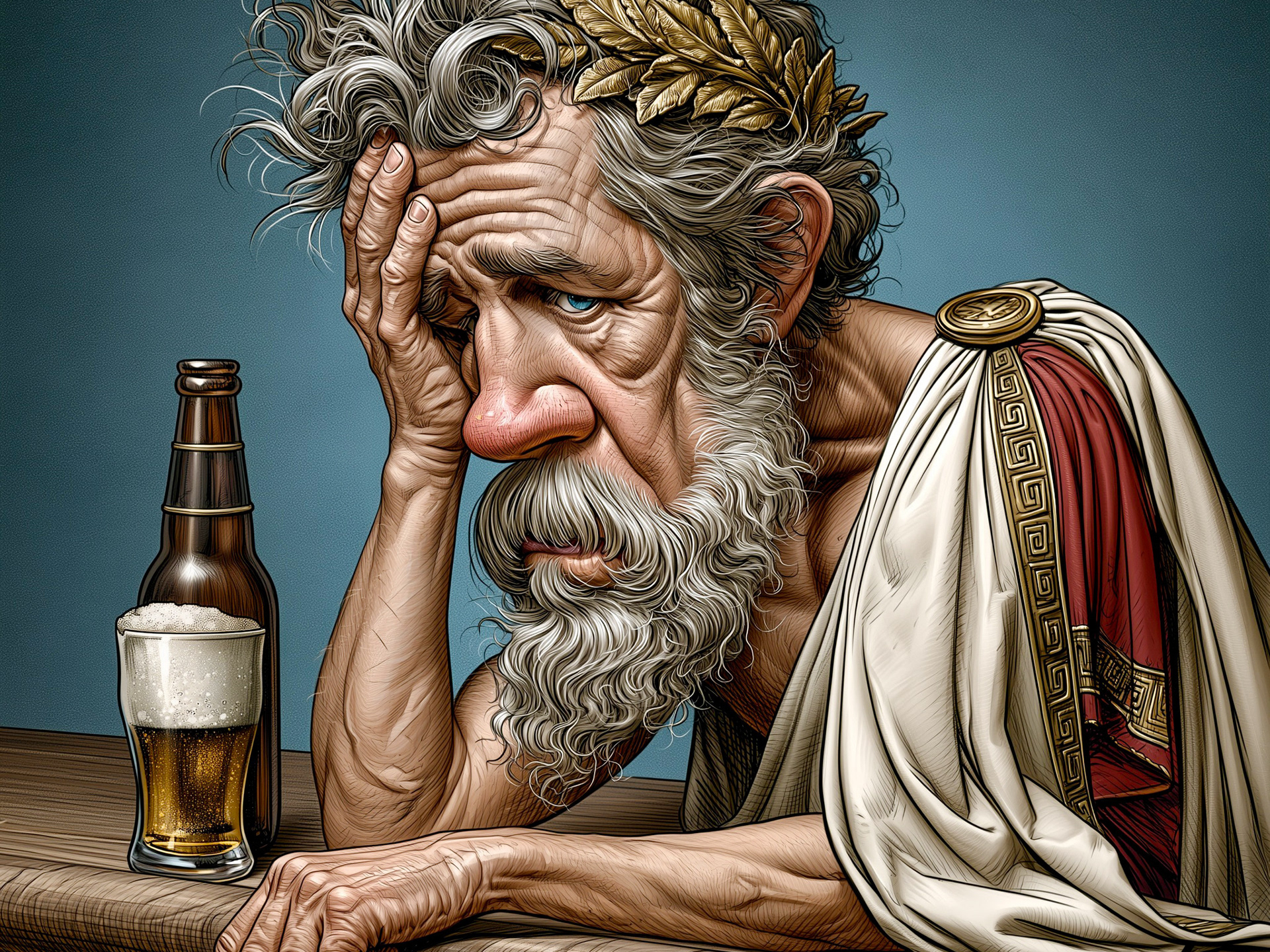
The saints in this series draw from the tradition of religious saints as figures who give shape to shared human life and offer points of recognition. In contrast, Saints of Angst is secular. These figures are not devotional or redemptive. They name contemporary conditions many people inhabit quietly; anxiety, abandonment, anger, fear, withheld truth, impulsiveness - and give those experiences form. The series offers recognition instead of faith, delivering the small relief of feeling less alone through being seen.
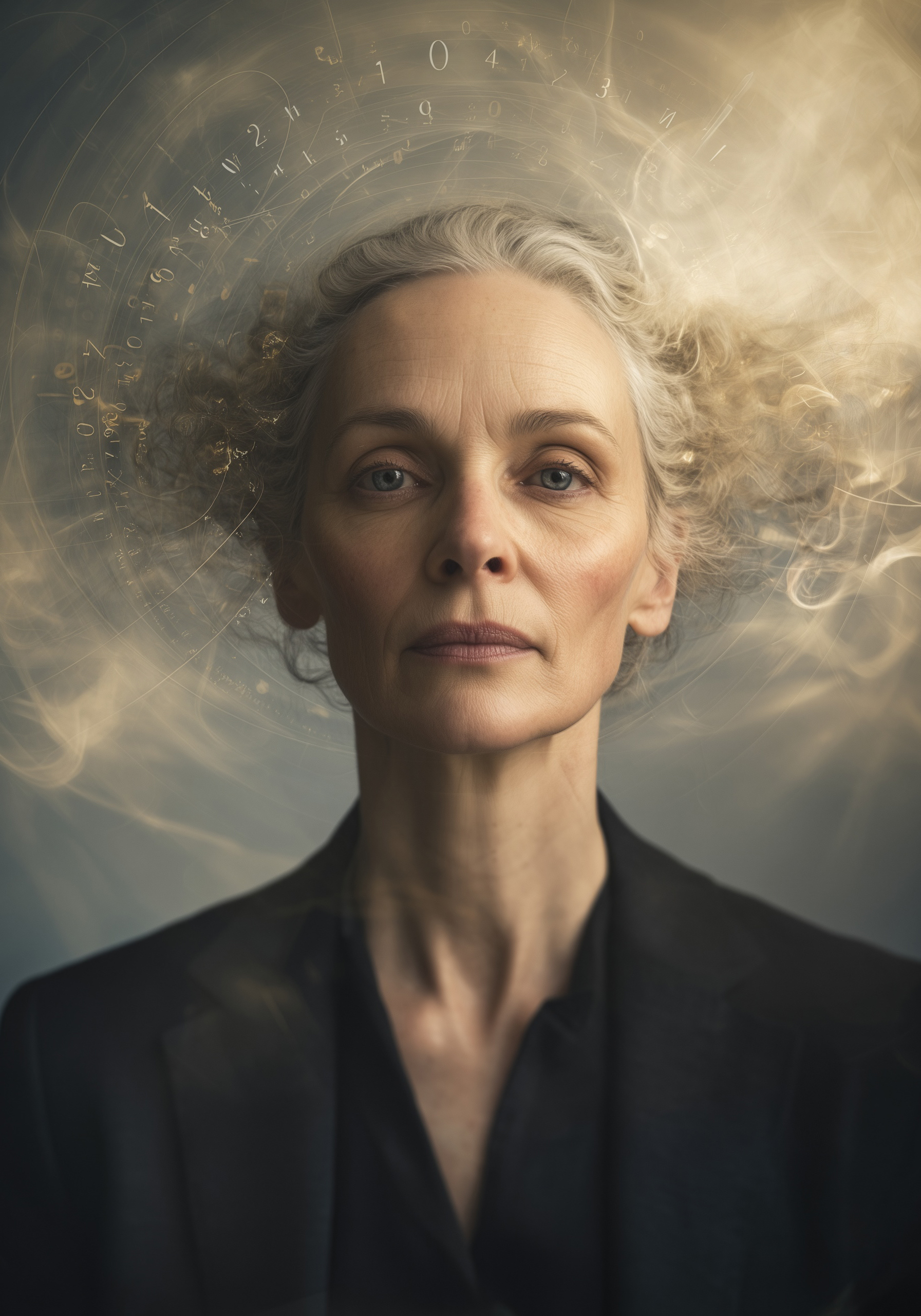
Sancta Inquies - Saint of the Unquiet Mind
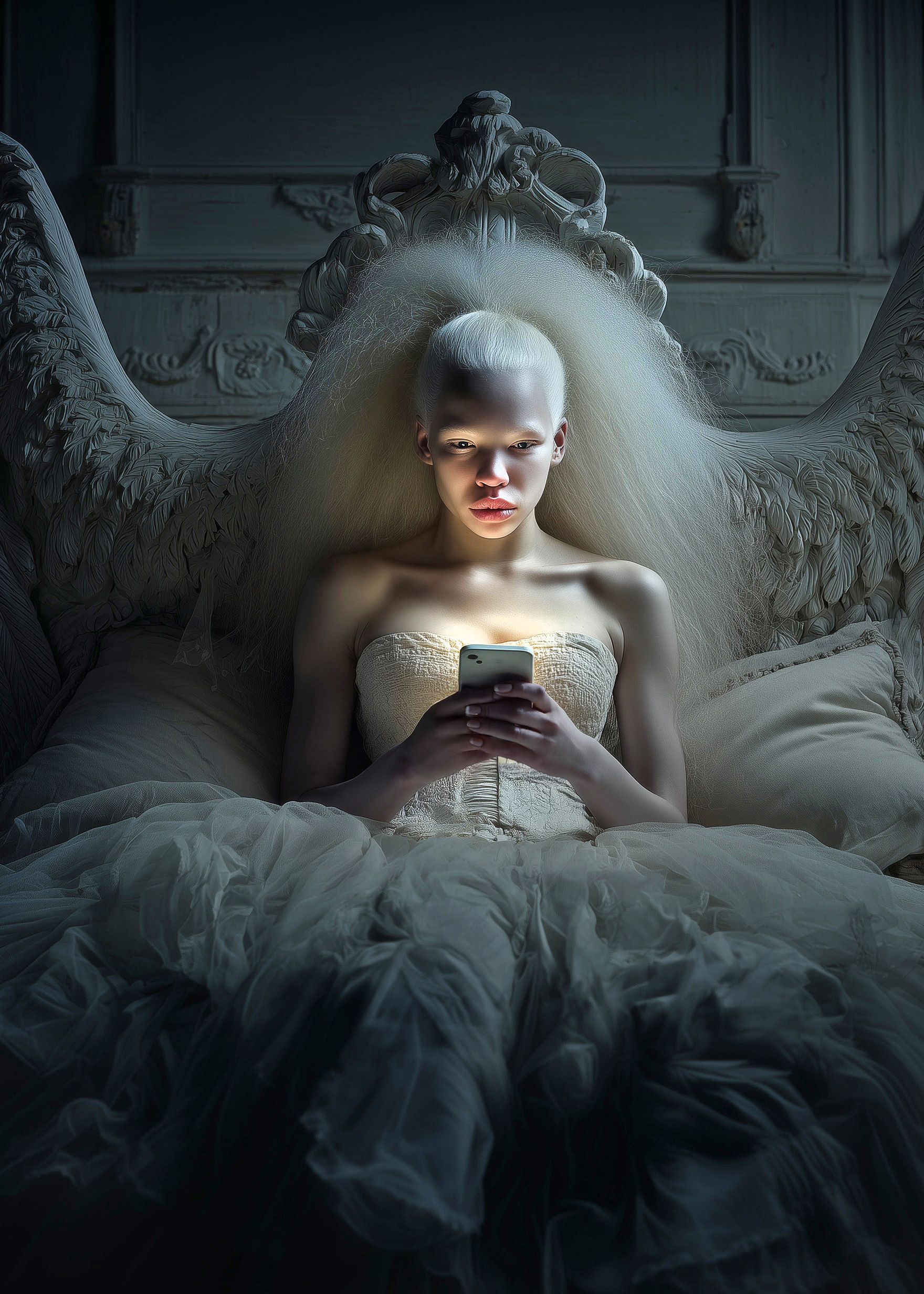
Sancta Non Responsorum - Saint of the Ghosted
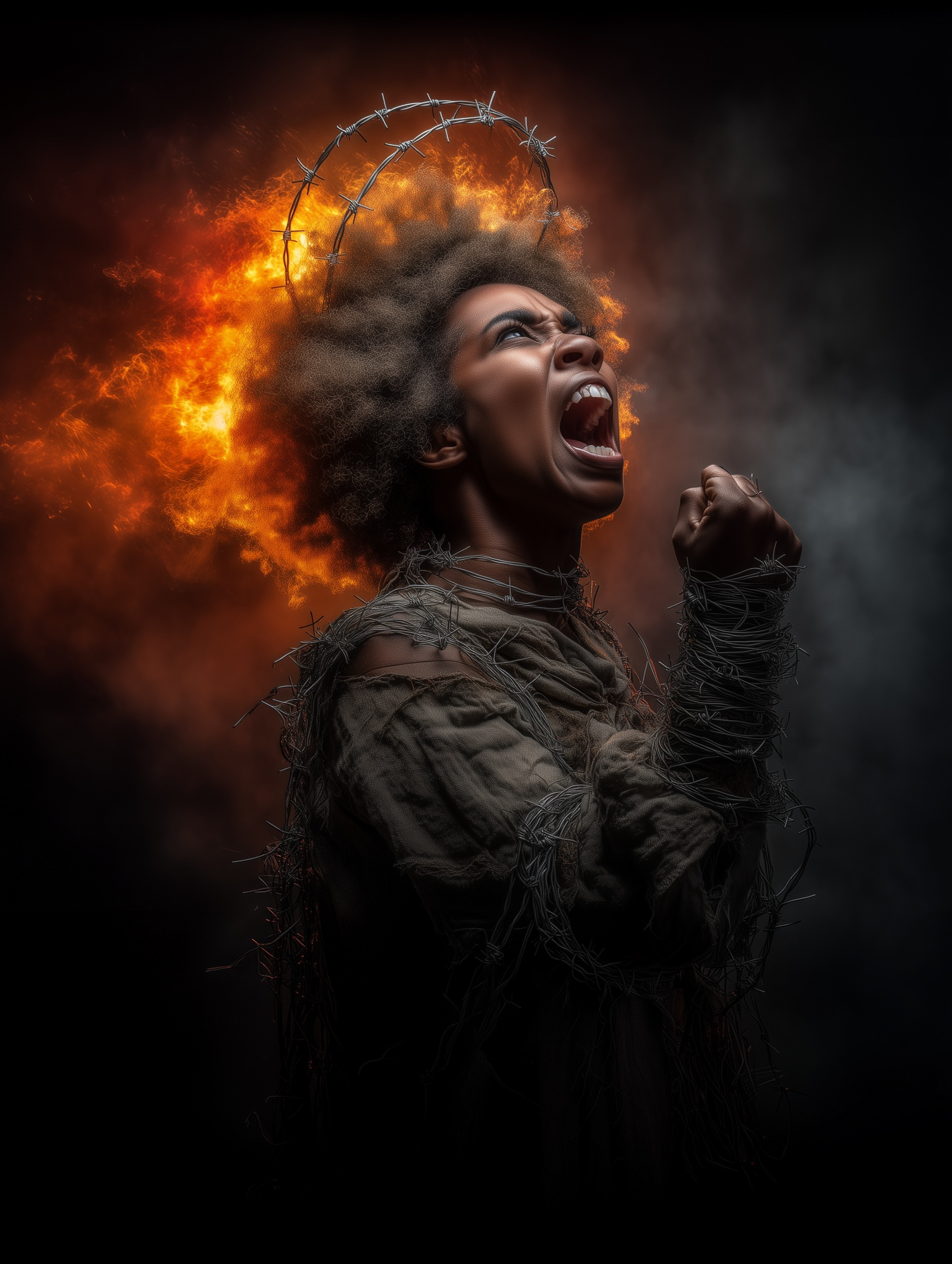
Sancta Ira Iusta - Saint of Righteous Anger
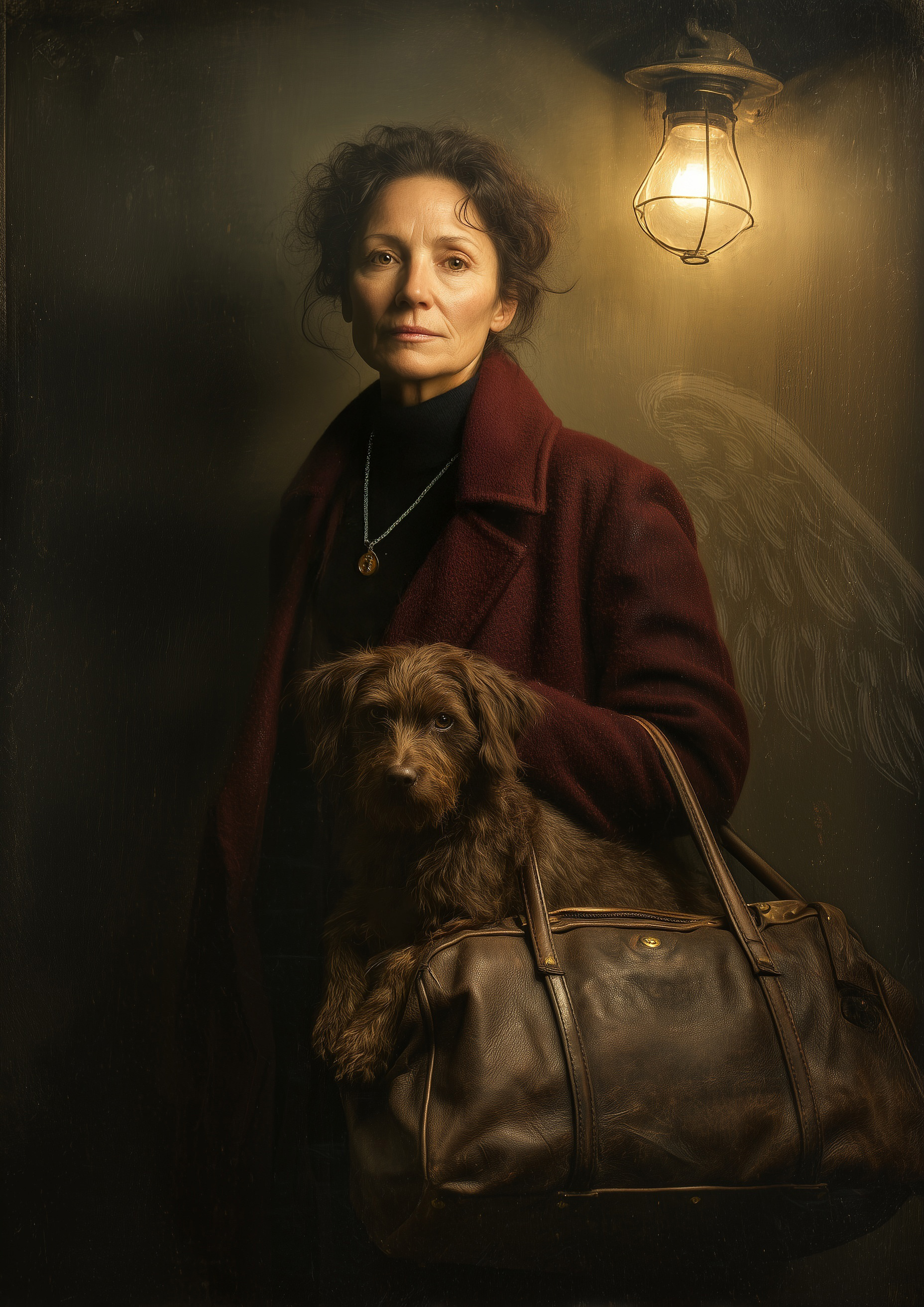
Sancta Discessus - Saint of the Departed
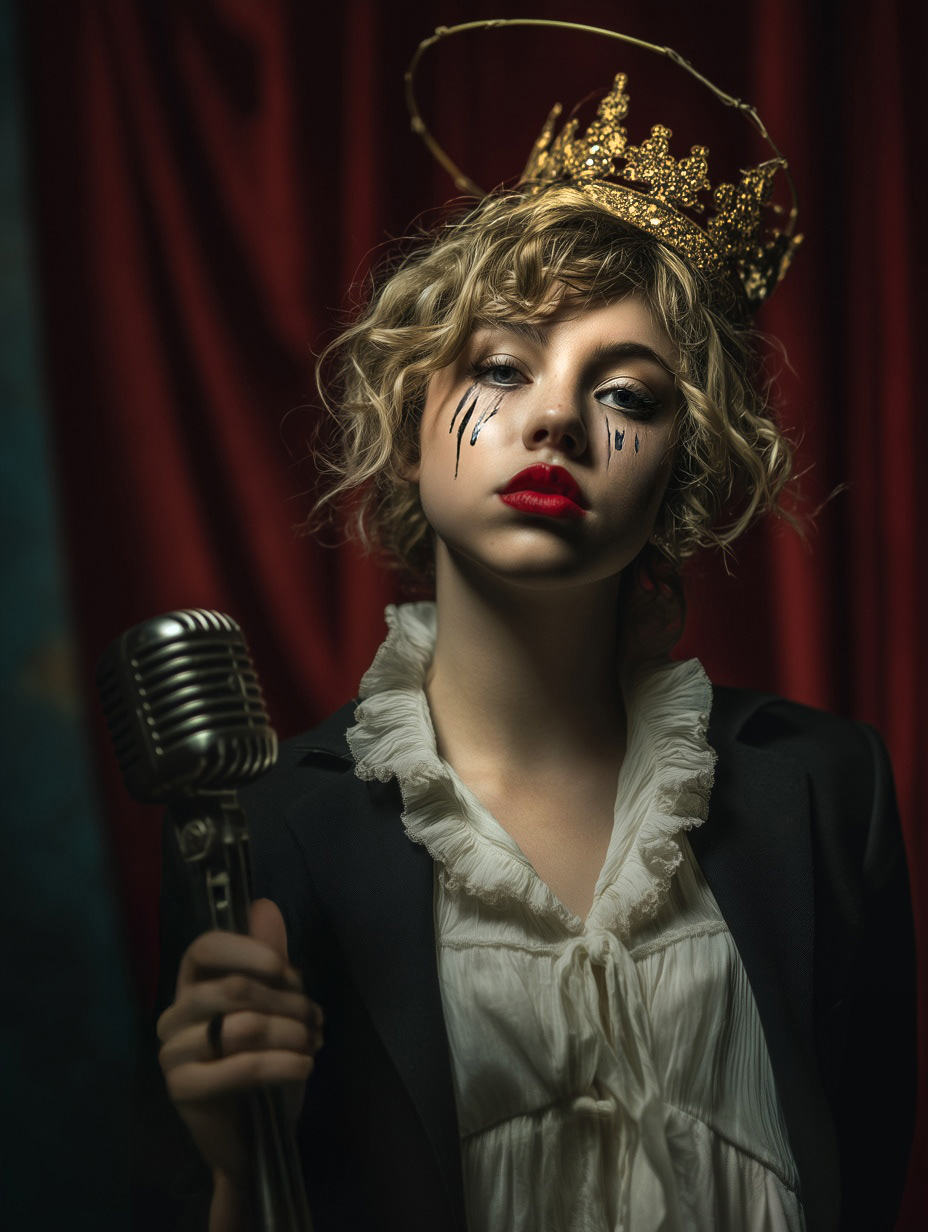
Sancta Verborum Non Dictorum - Saint of Words Not Spoken
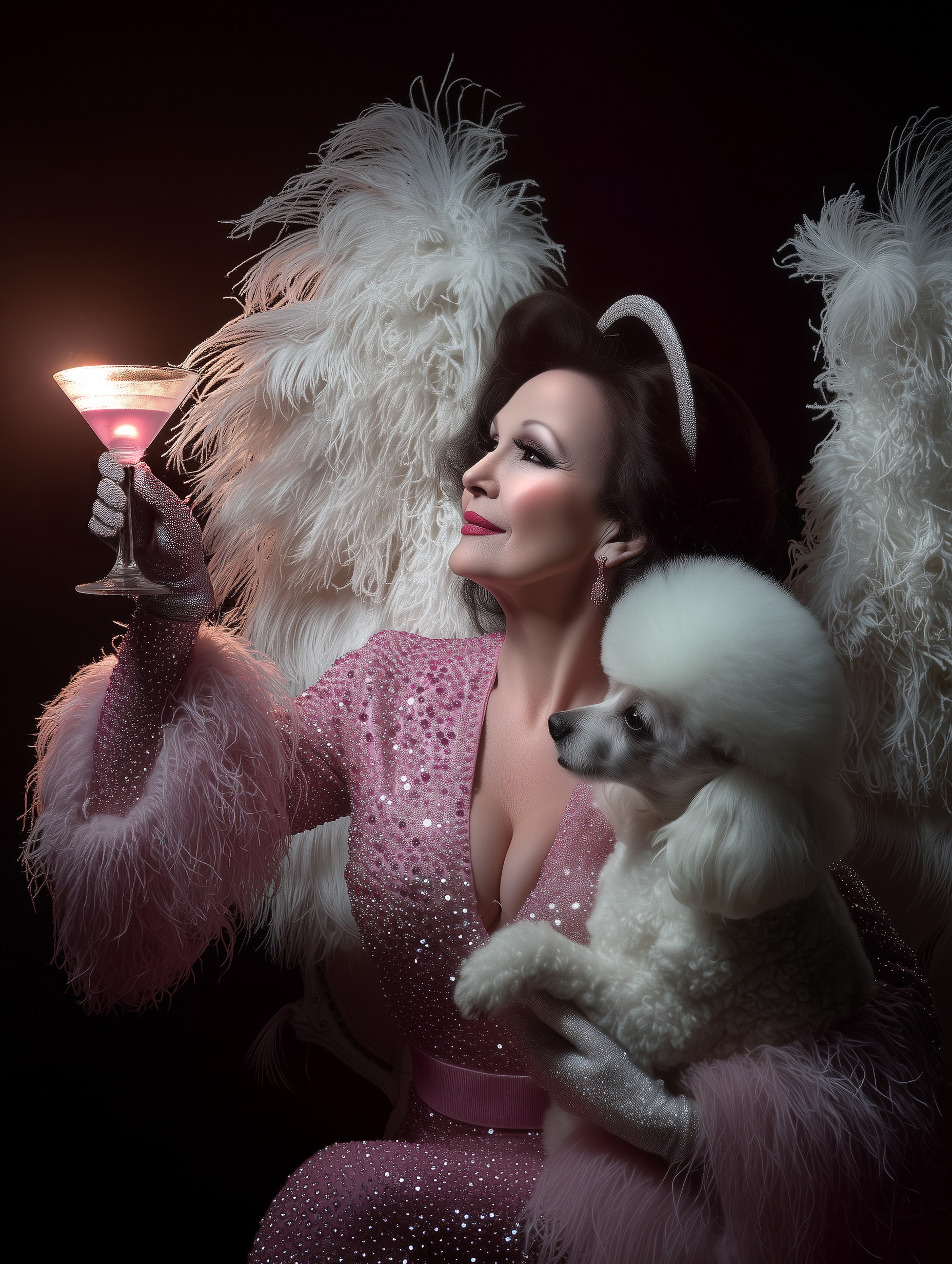
Sancta Nimia - Saint of Those Who Were "Too Much"
The Guardians
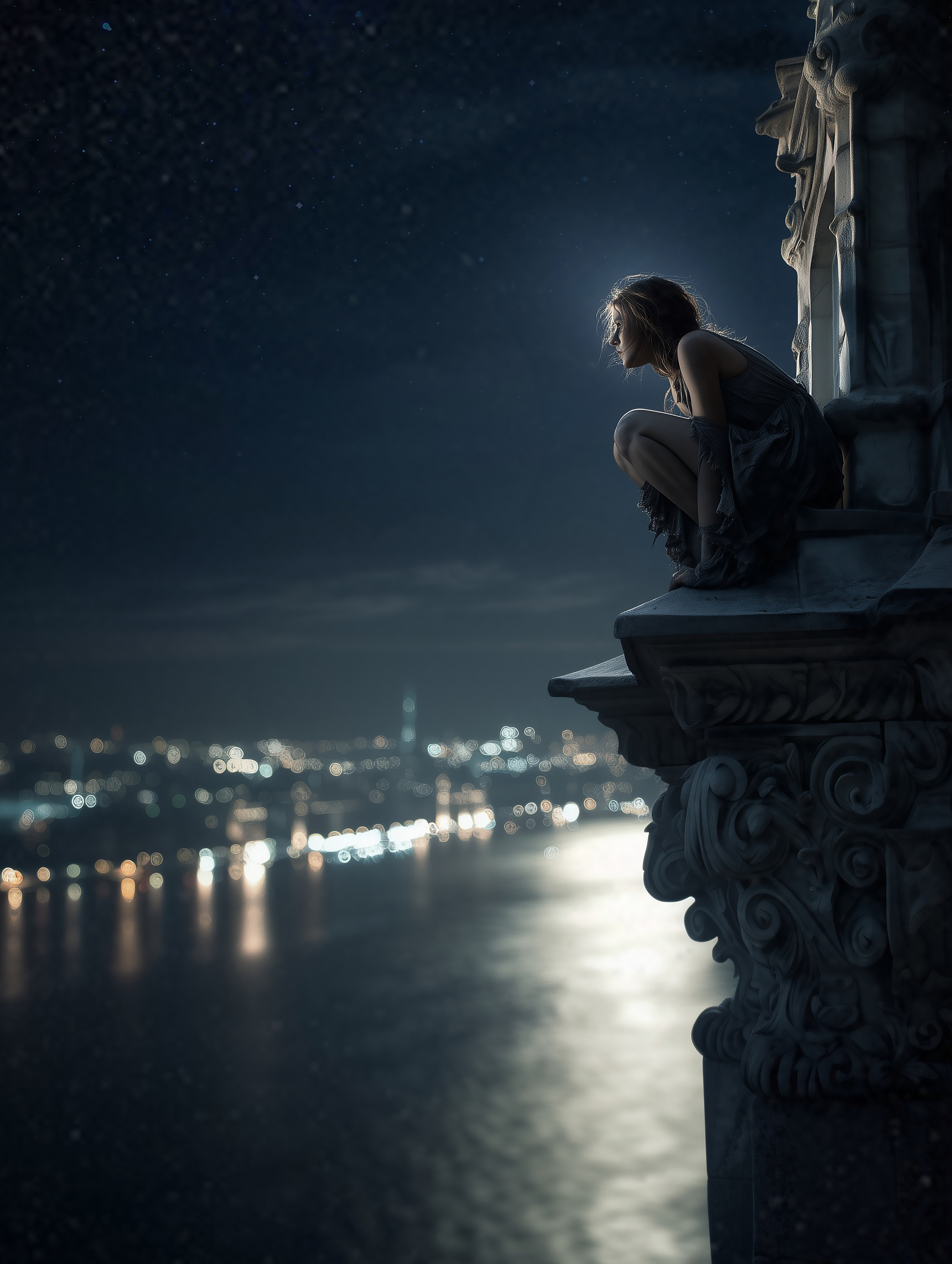
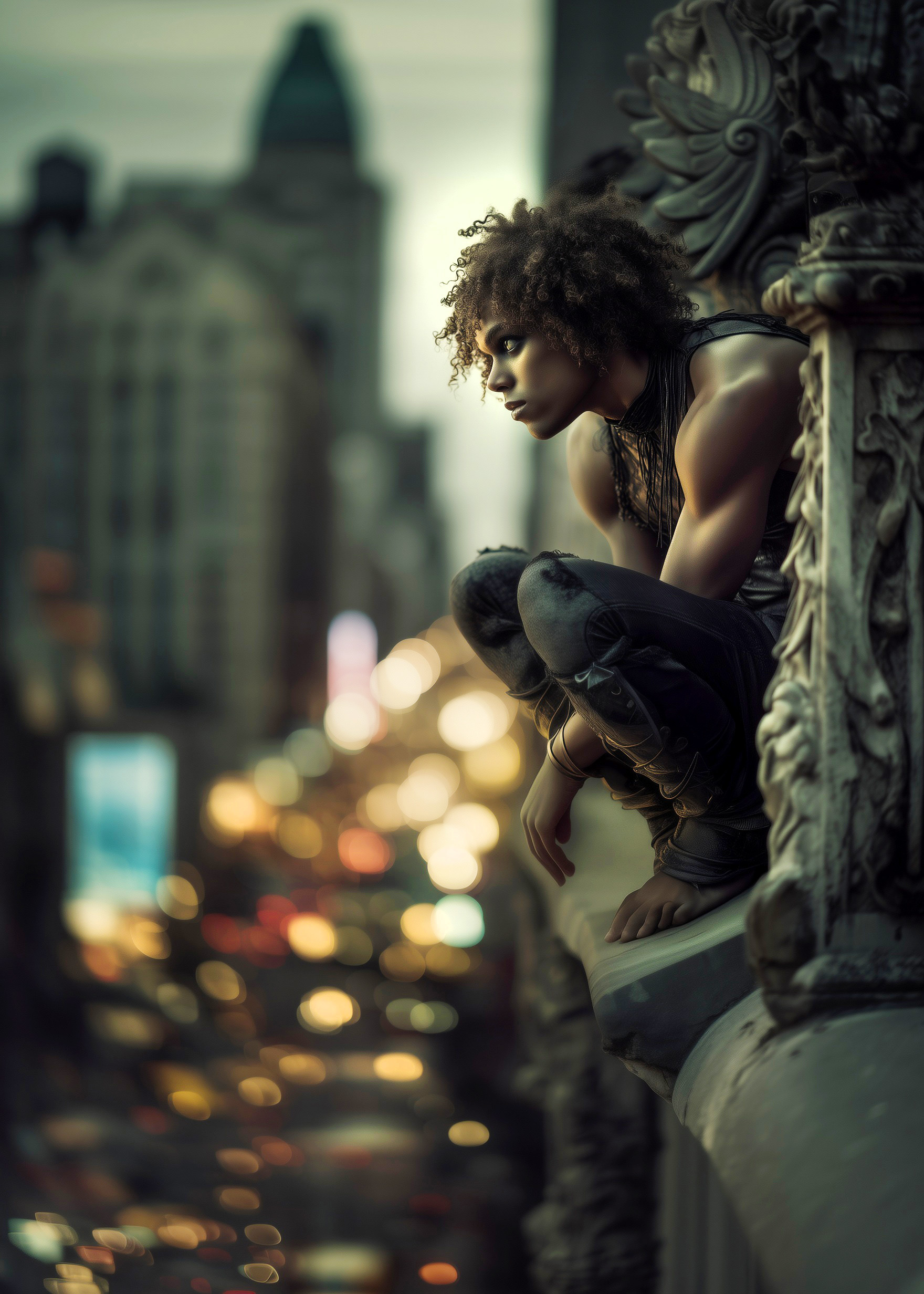
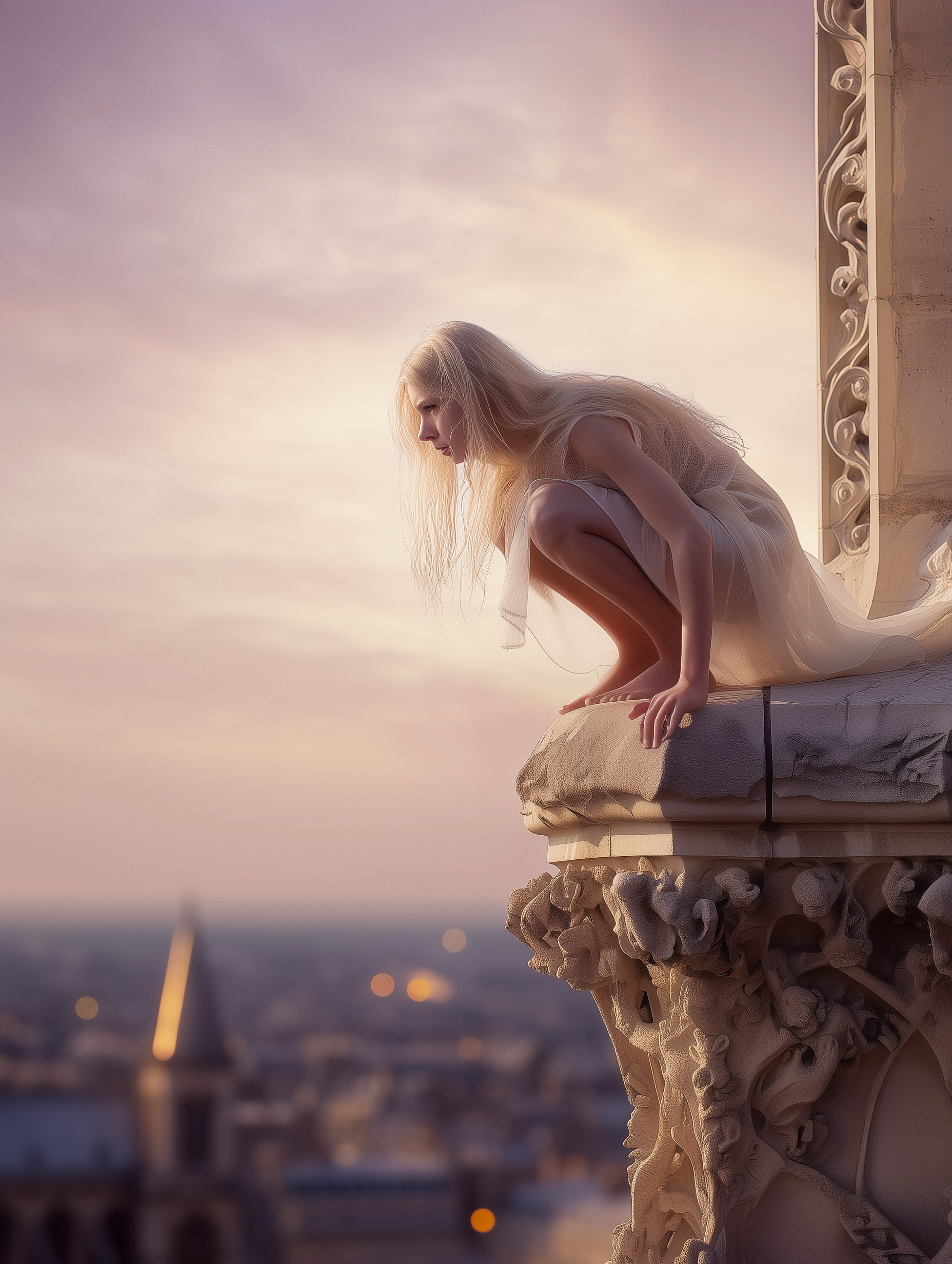
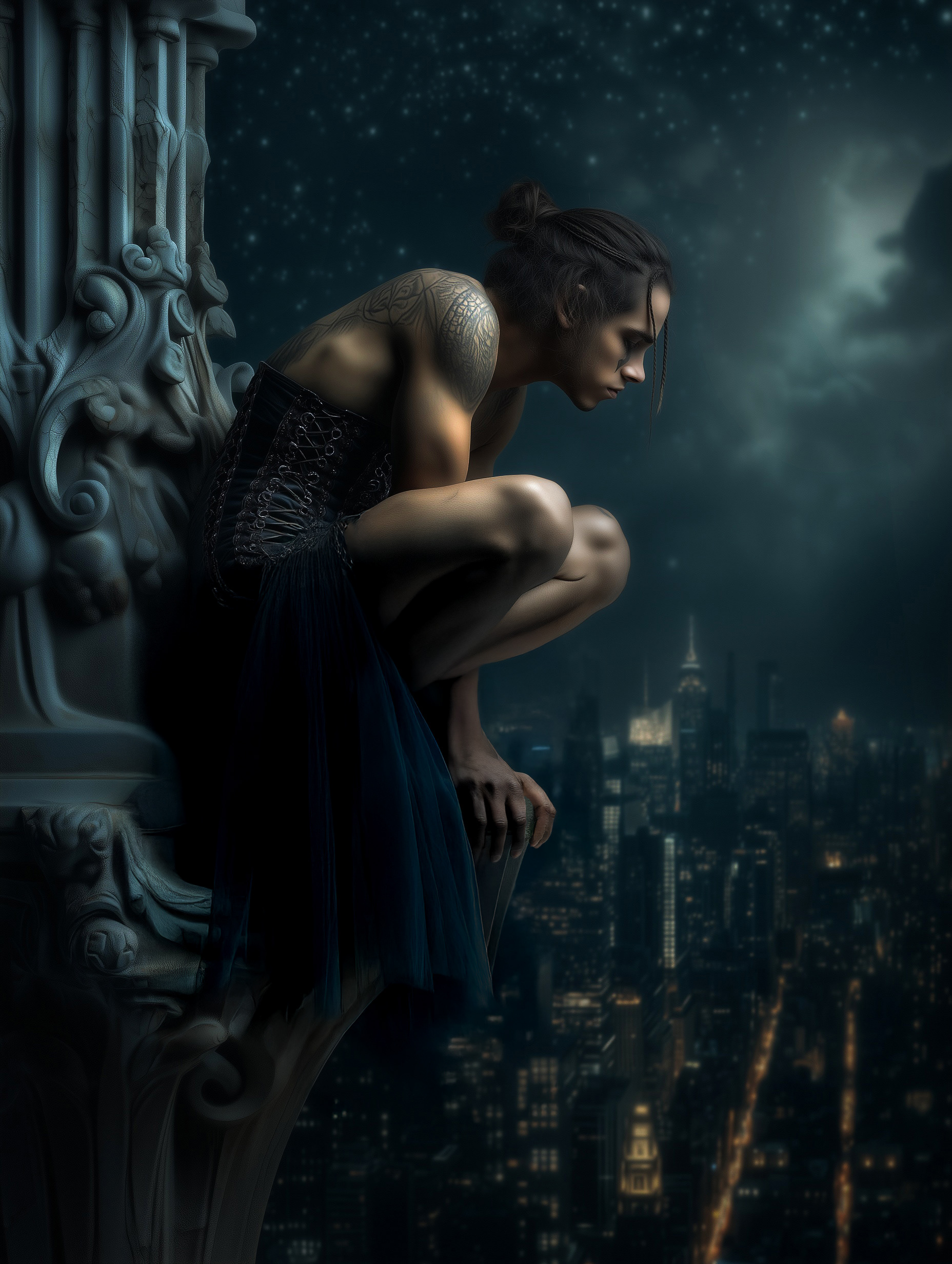
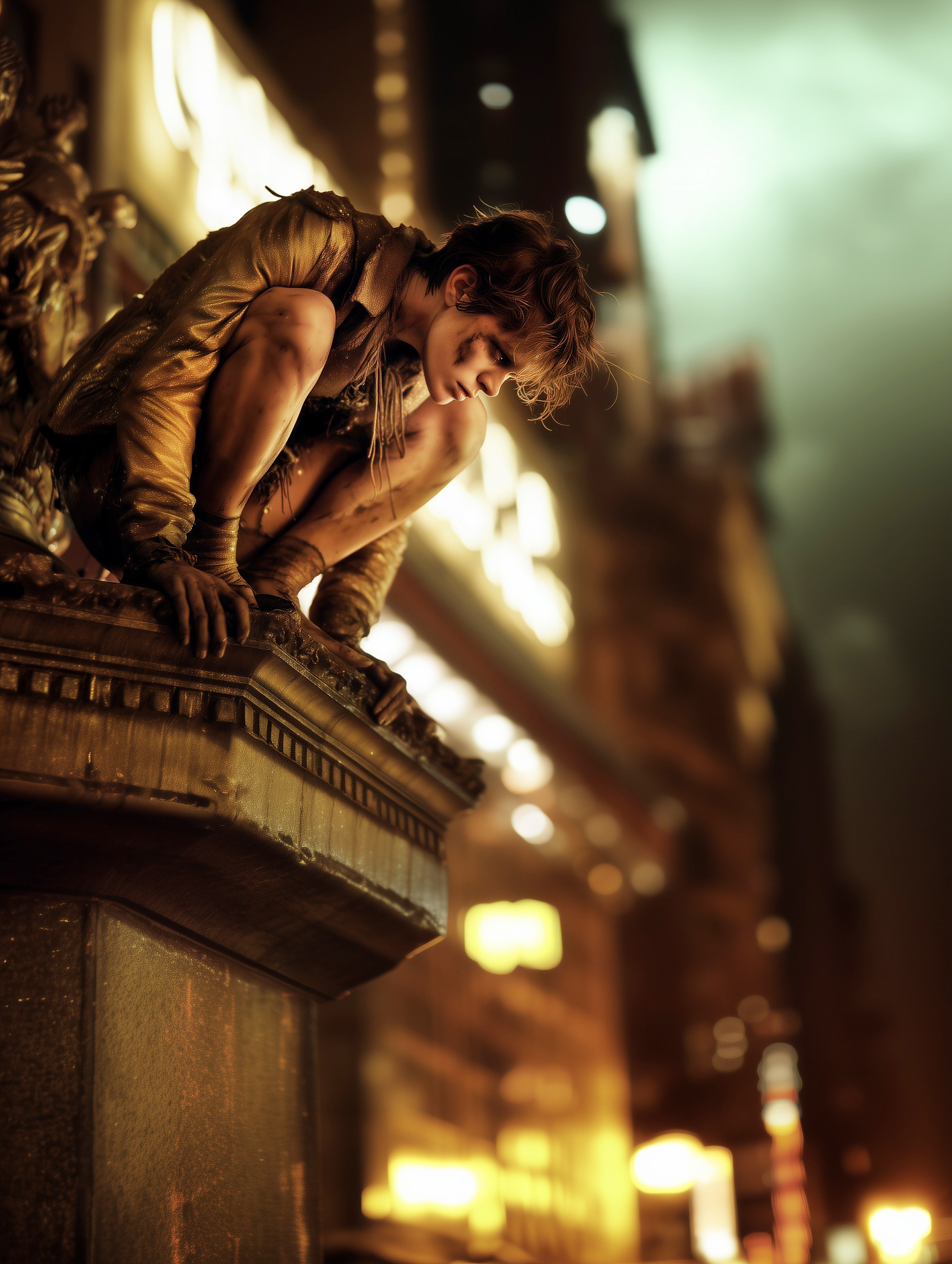
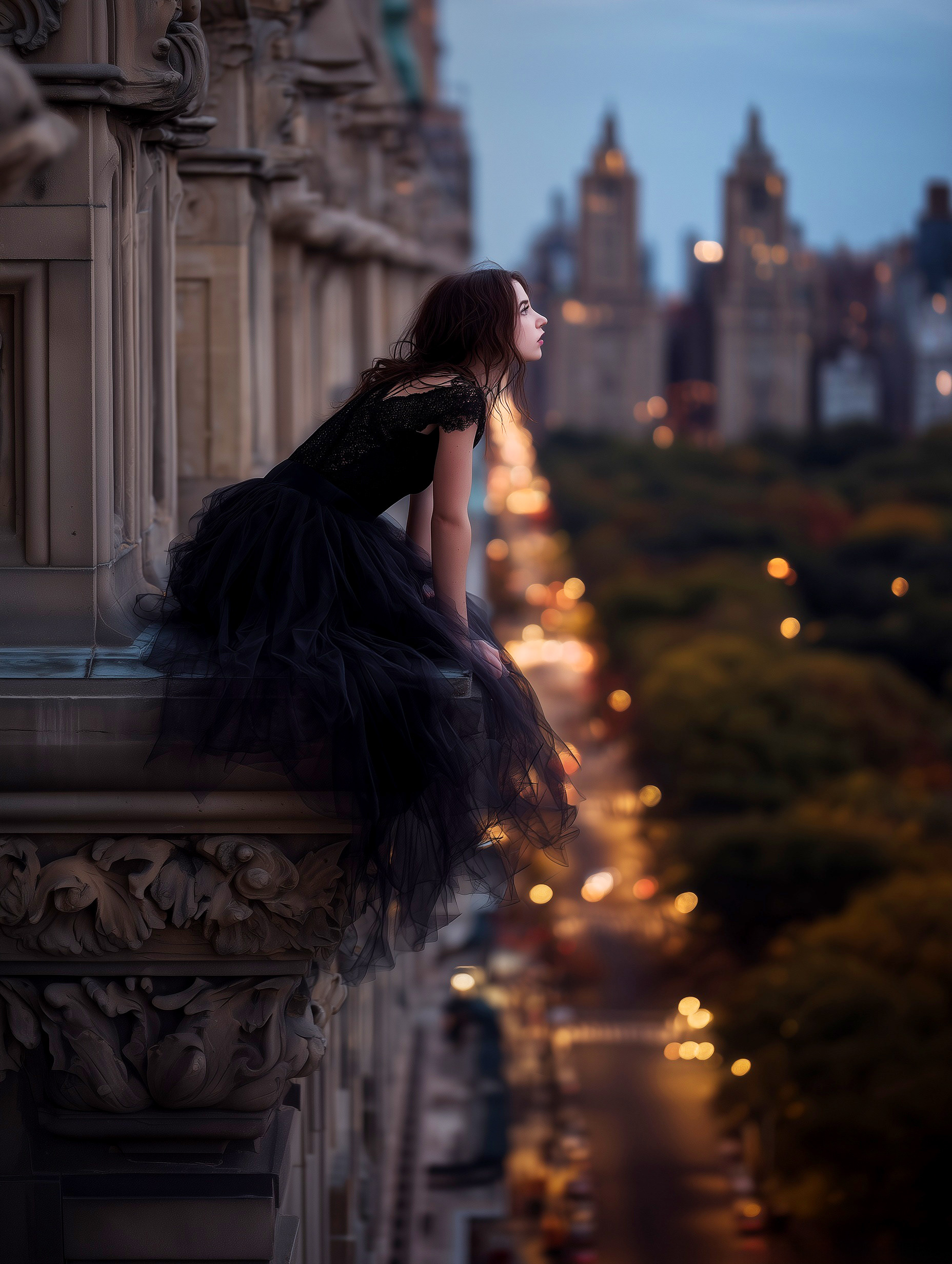
The guardians in this series draw from the architectural tradition of gargoyles, which were functional waterspouts designed to direct rainwater away from buildings and preserve their structure. Their exaggerated and grotesque forms emerged within a cultural belief that such imagery could ward off evil or misfortune, keeping disorder at the margins rather than inviting it inside. They occupied thresholds, rooftops, and margins, positioned to notice danger before it entered shared space. In The Guardians, my human "gargoyles" function in a similar way. They exist in the fringe, where watchfulness becomes a form of protection. Their role is not intervention but vigilance - holding what is difficult, overlooked, or unresolved through the act of seeing clearly and remaining present.
Circus of the Surreal
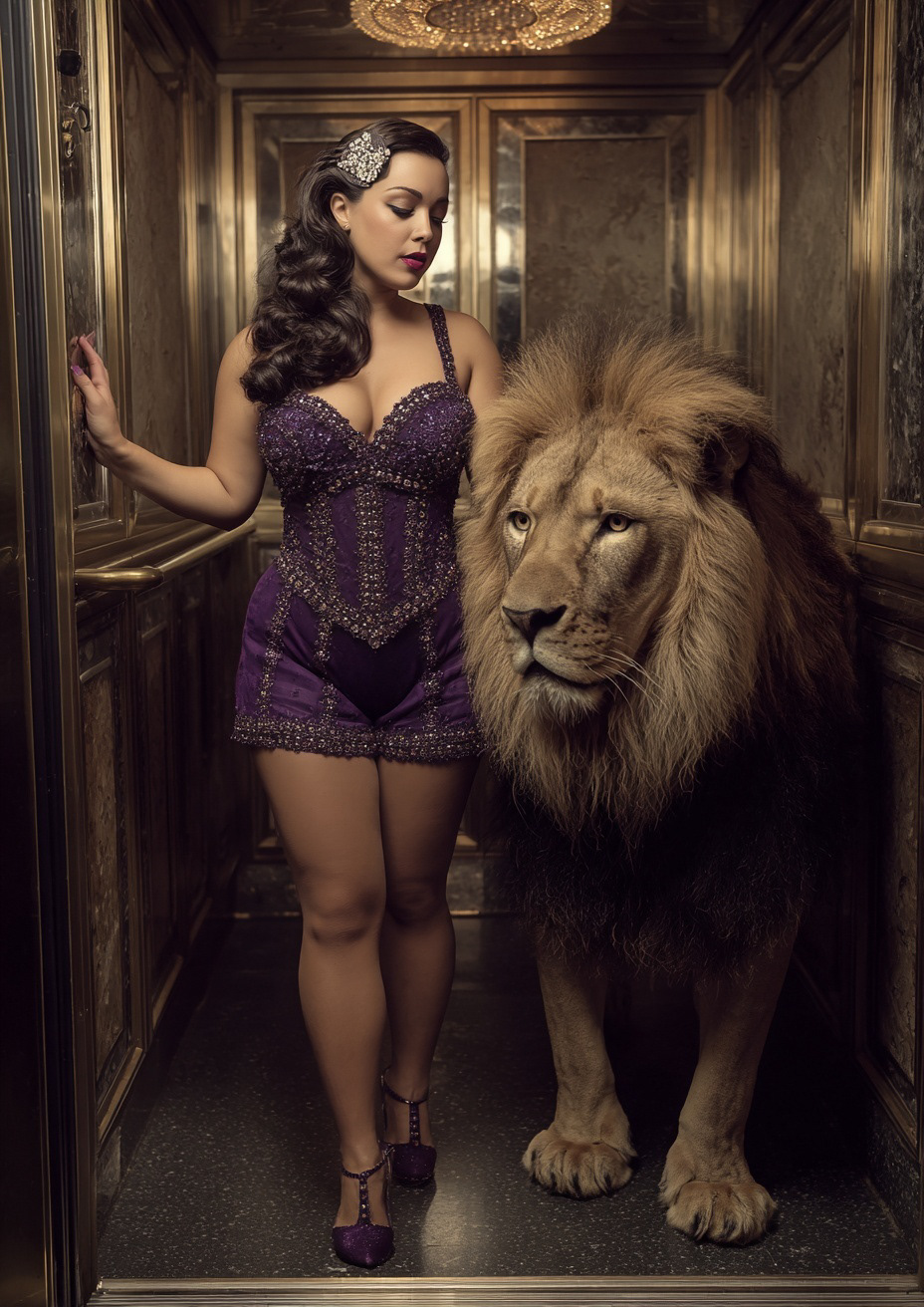
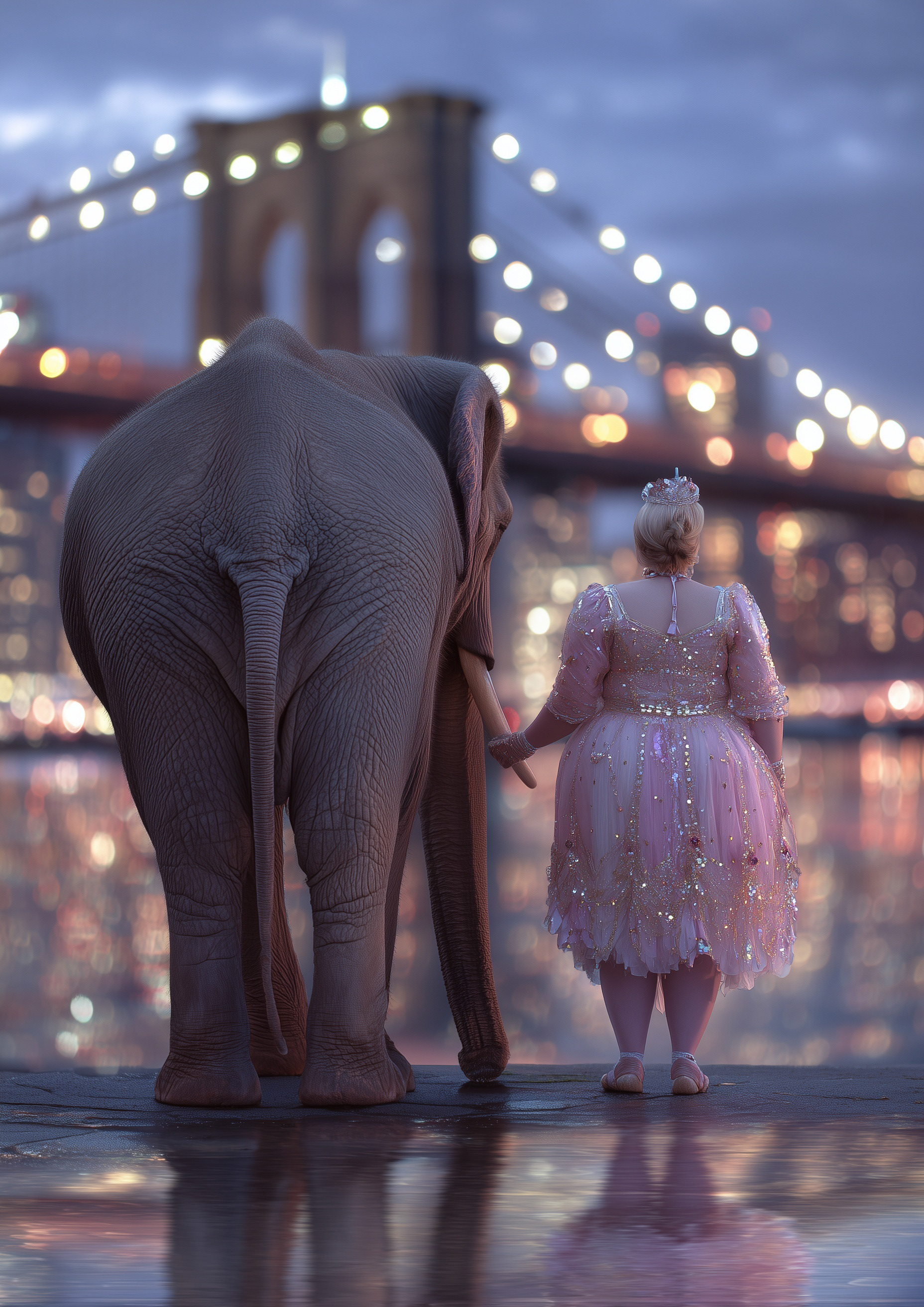
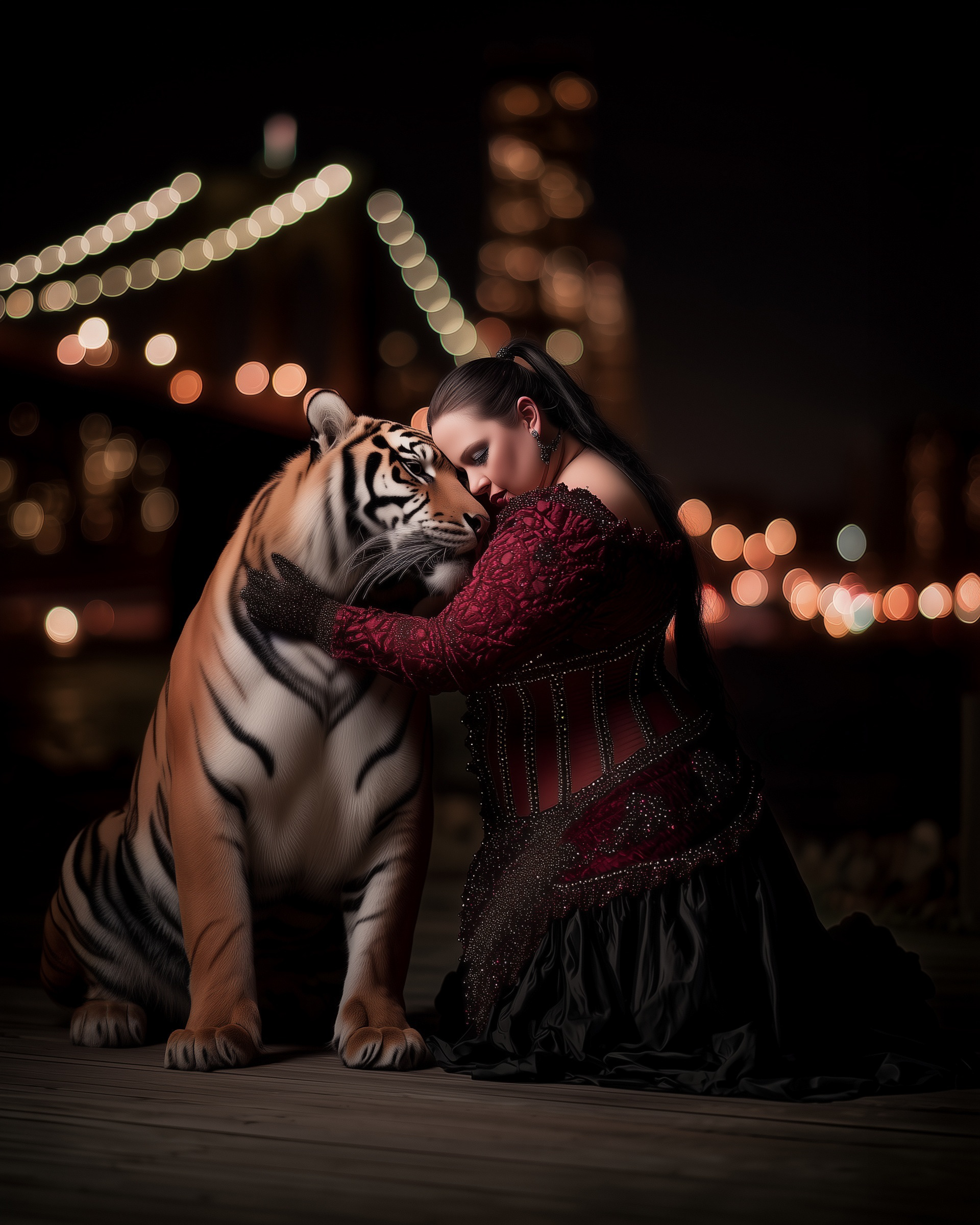
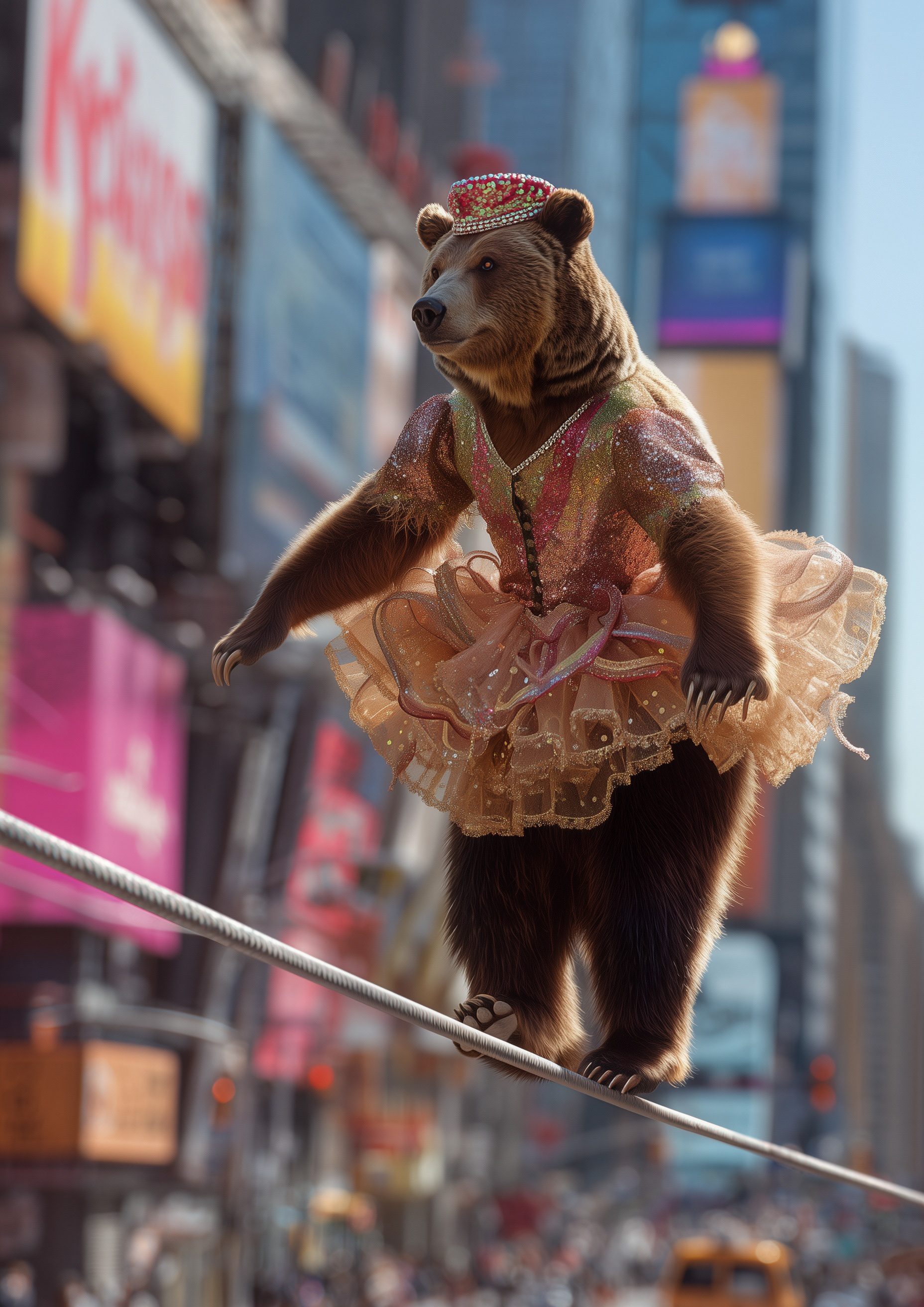
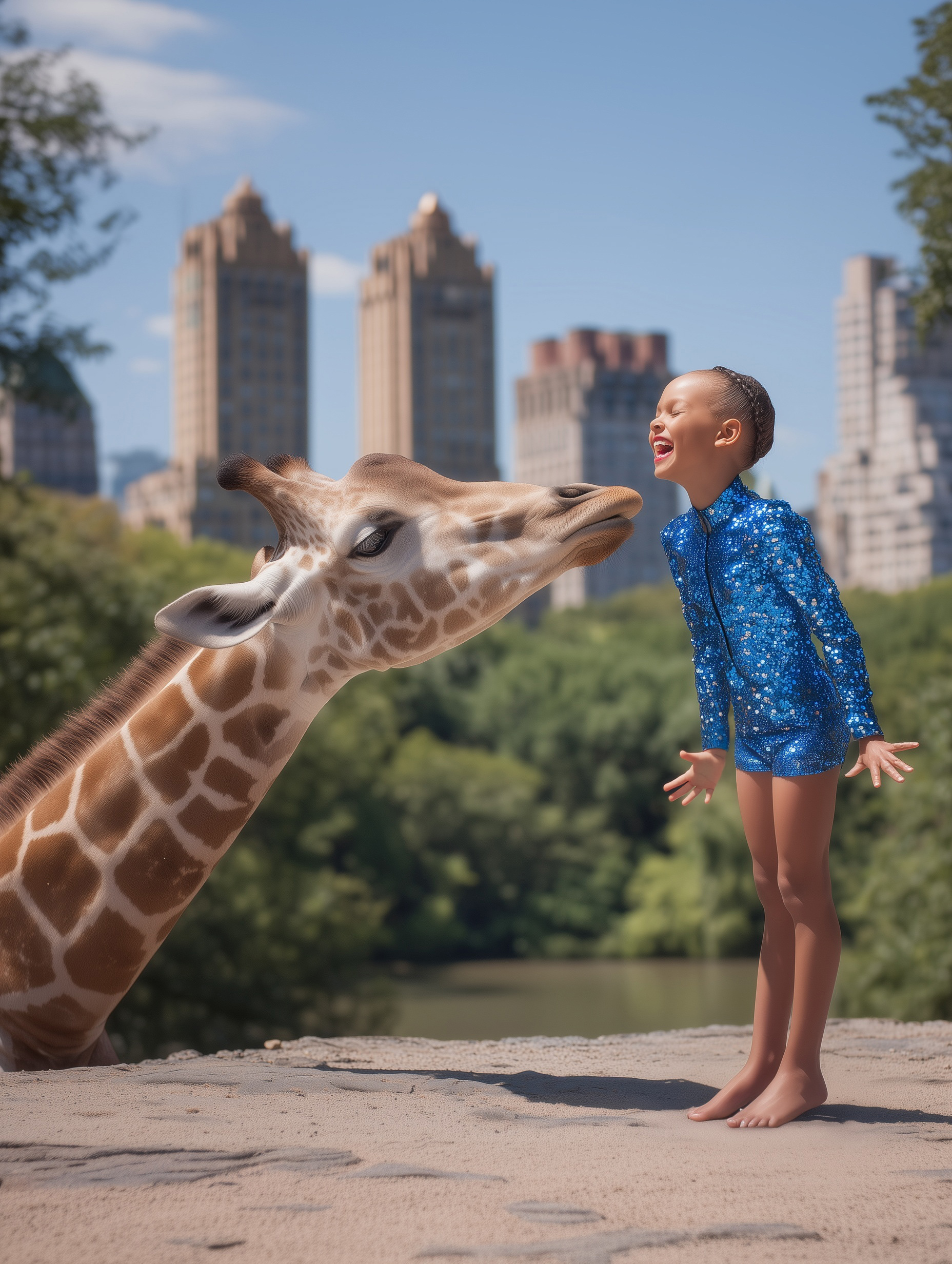
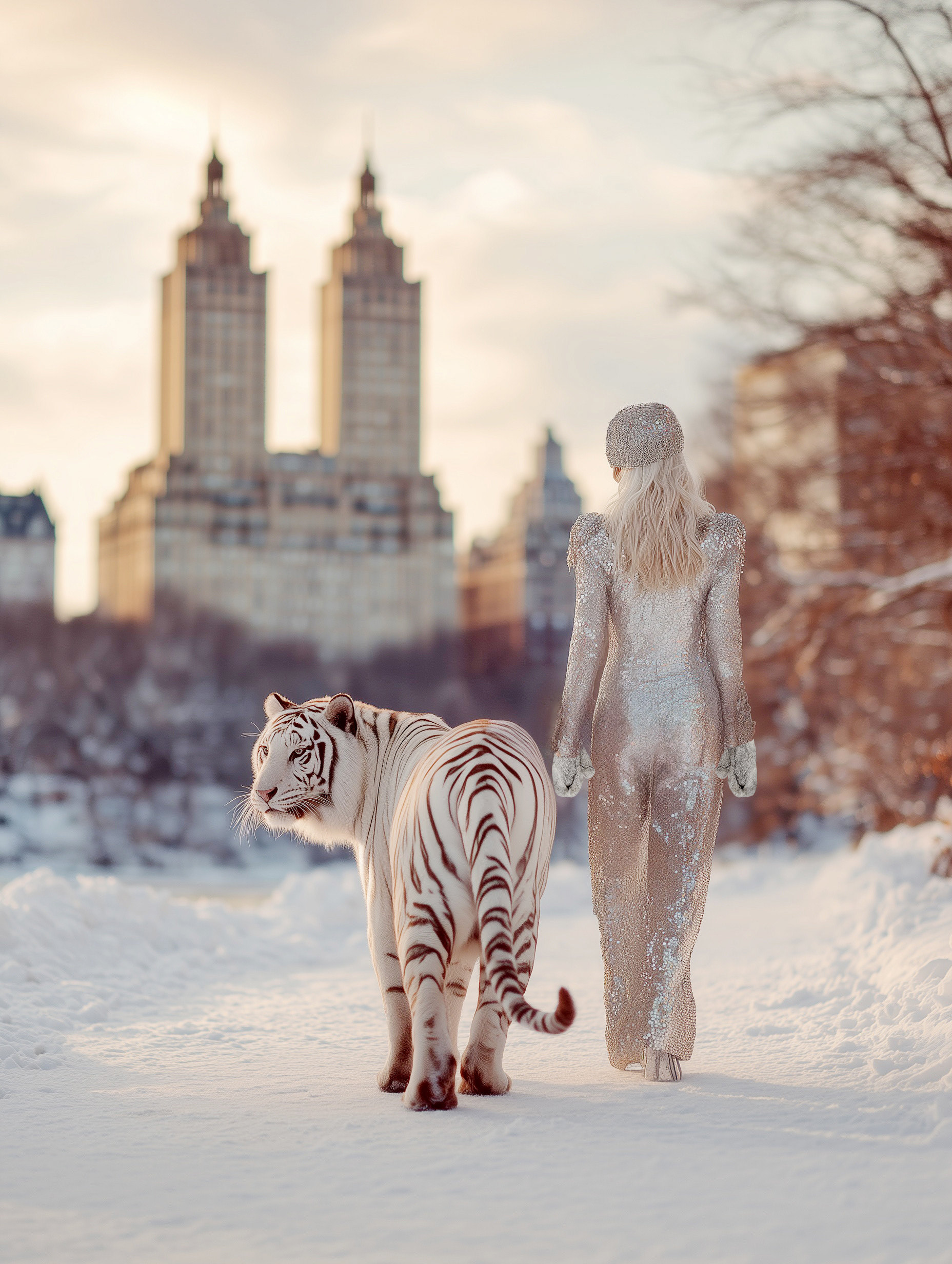
The circus has traditionally been a space where the unusual is gathered, displayed, and briefly normalized. Historically, the circus gave form to bodies, skills, and spectacles that existed outside ordinary life, inviting attention to what was otherwise unseen or misunderstood. In Circus of the Surreal, the improbable is treated as ordinary. The figures move through heightened states with calm presence, where wonder, tension, and control coexist. The series offers recognition rather than spectacle, allowing the surreal to register as a familiar way of being rather than as an escape.
Ballet Above
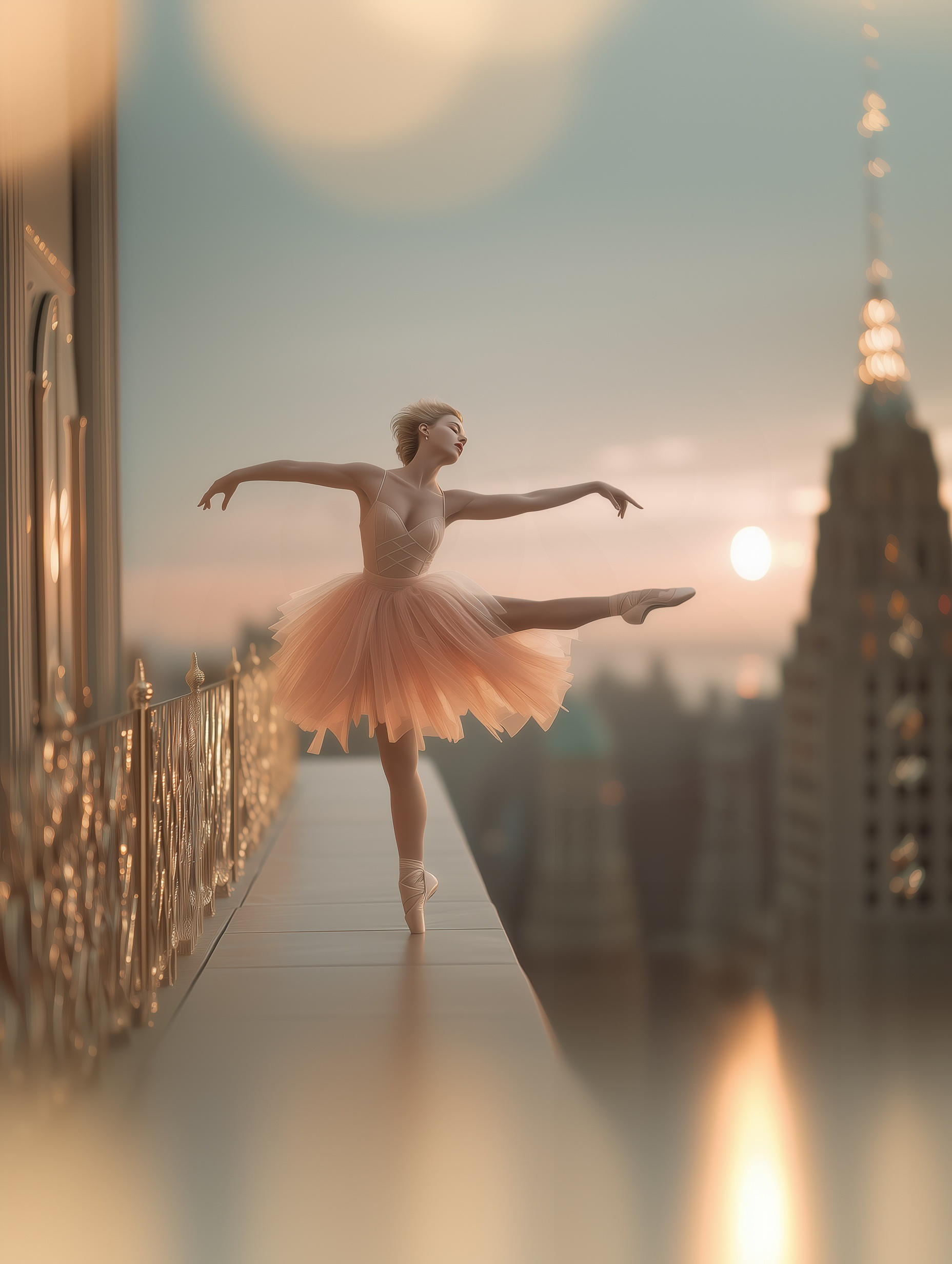
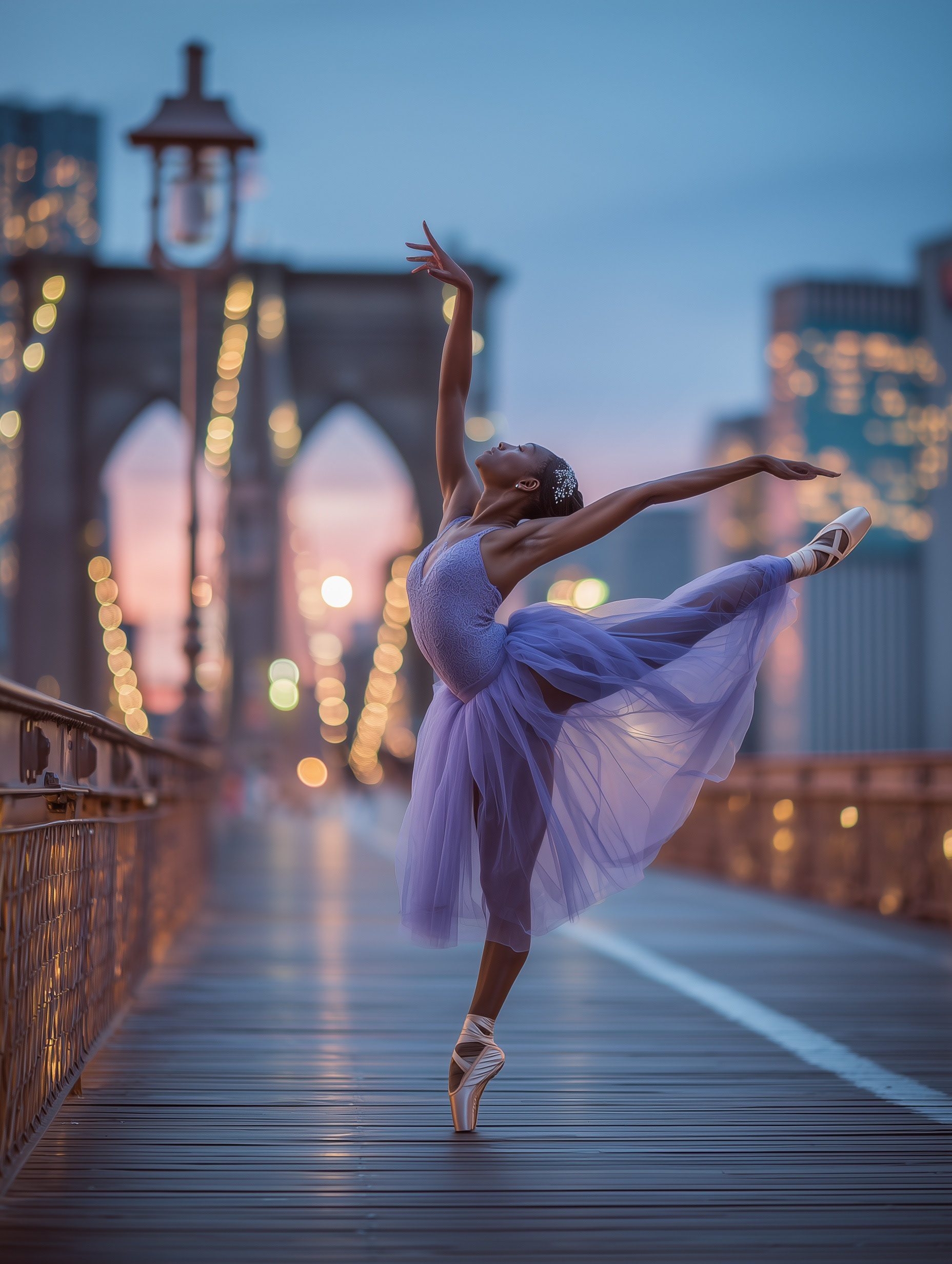
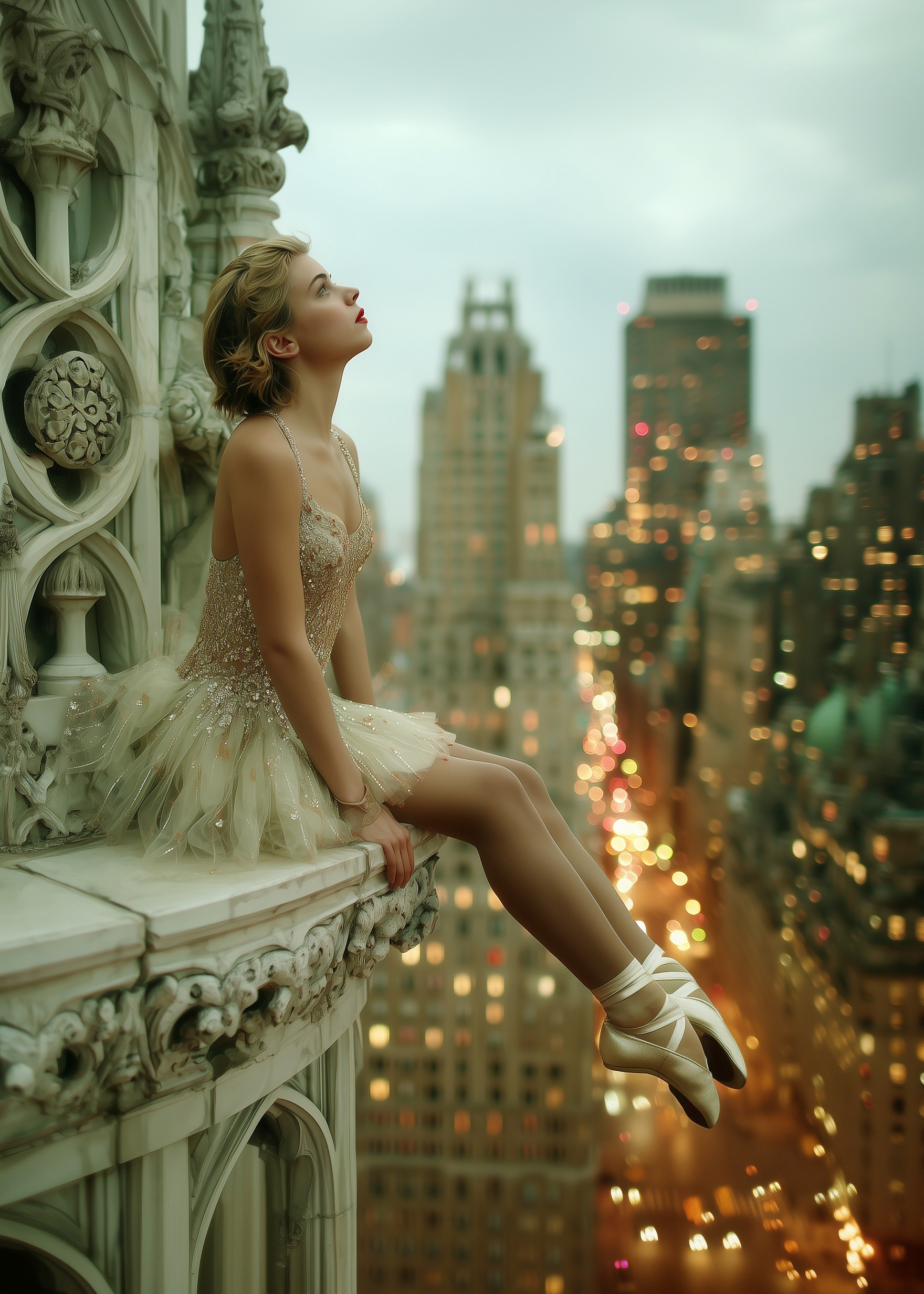
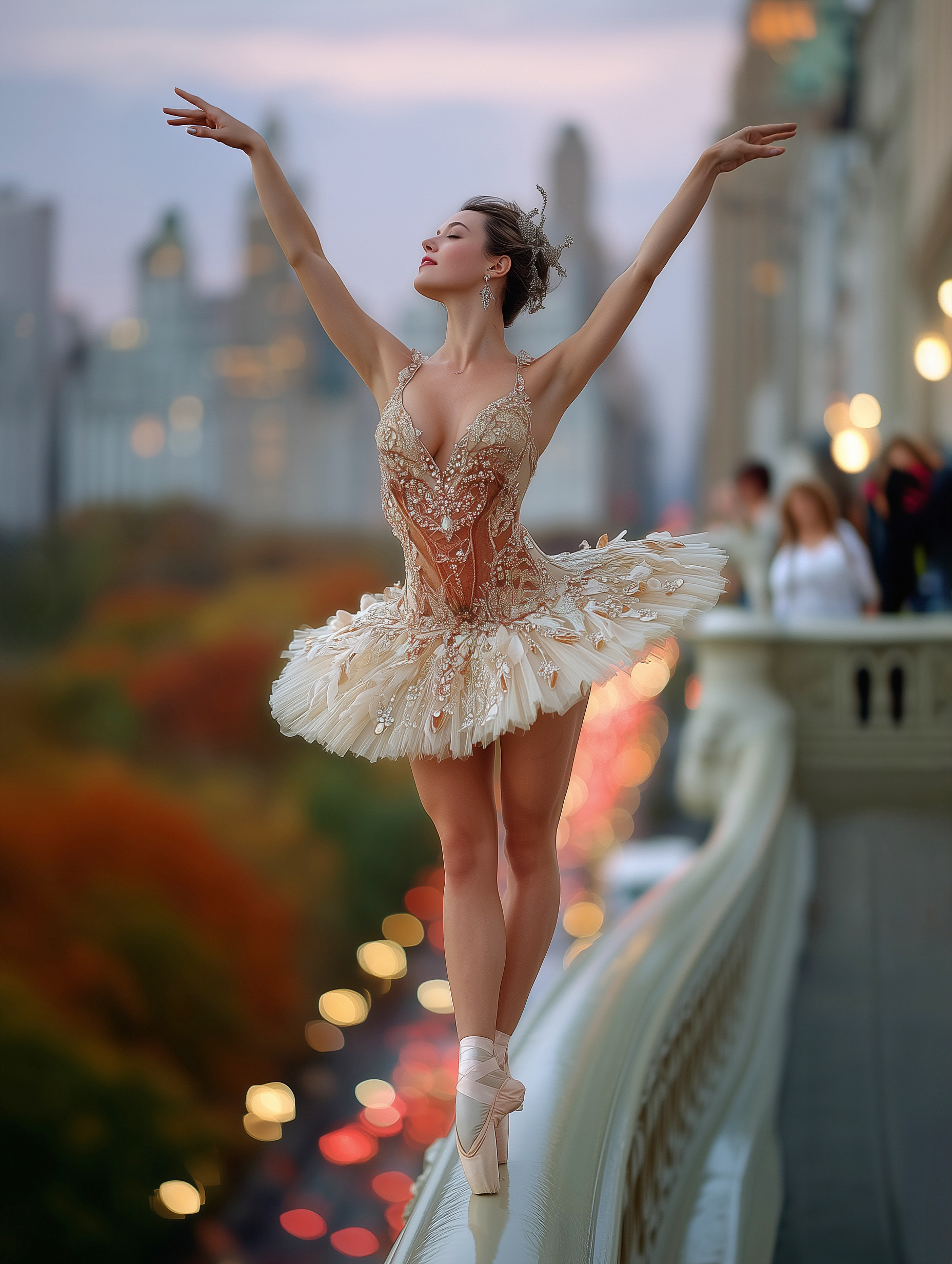
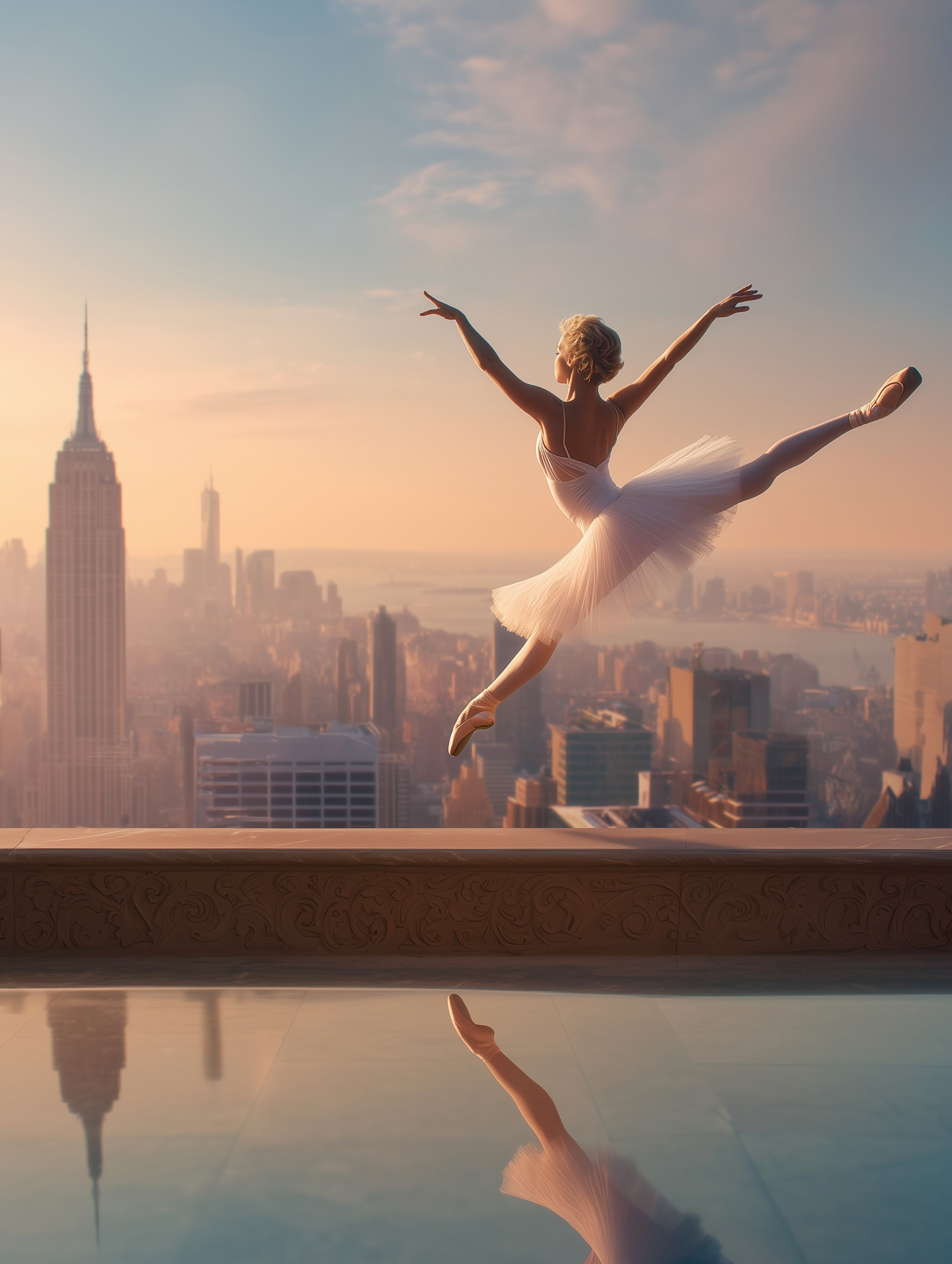
Ballet Above draws from the tradition of ballet as a discipline built on control, repetition, and grace under pressure. Historically, ballet has offered a visual language for aspiration, poise, and the performance of effortlessness, even when the work behind it is exacting. In Ballet Above, the stage is an impossible city. Figures move through spaces that defy physics with a dancer’s precision, balancing tension and ease as if gravity is negotiable. The series treats elevation as both physical and emotional, a way of holding oneself together in public while something more private flickers underneath. It offers a portrait of composure as practice, not perfection.
Over It
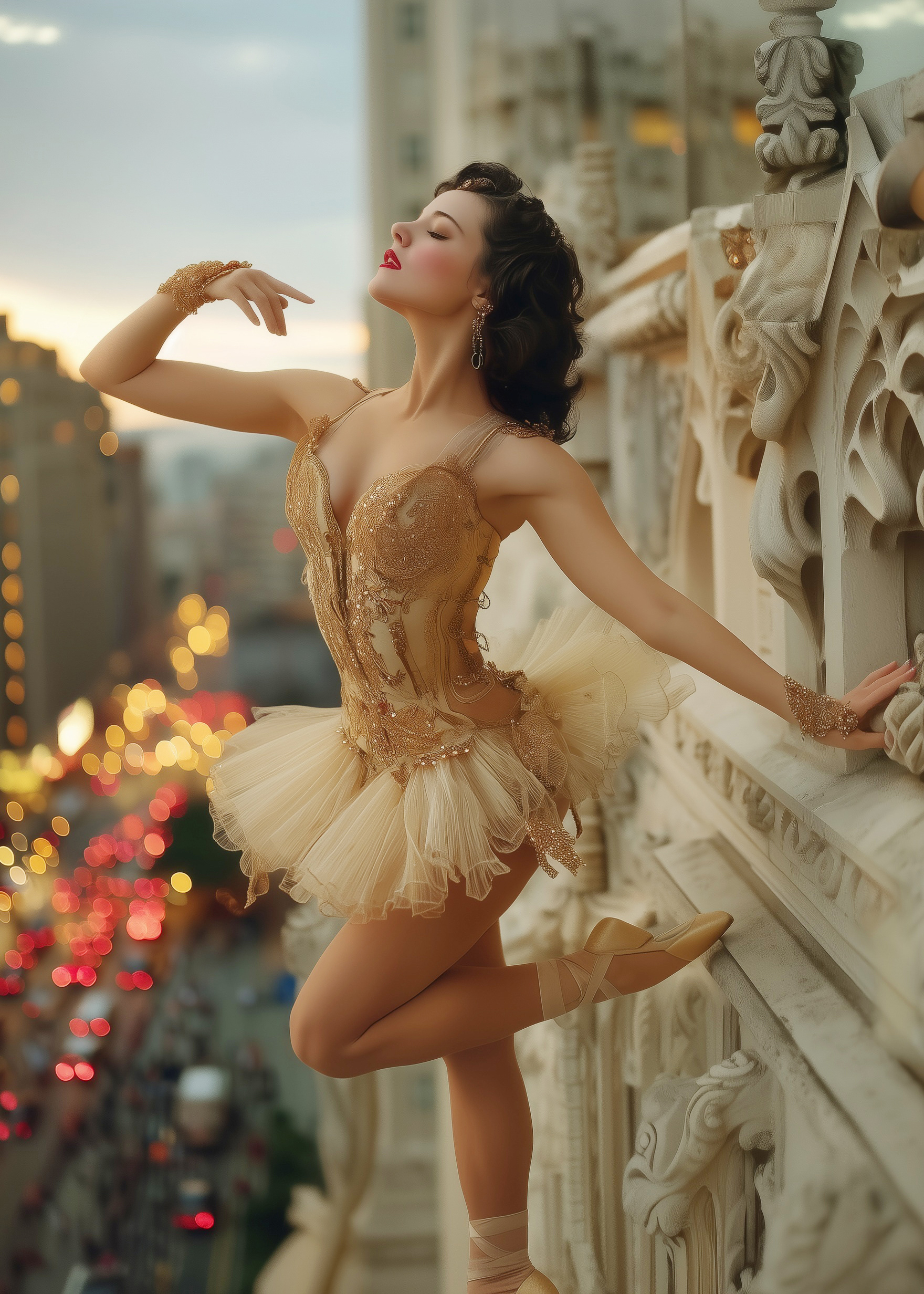
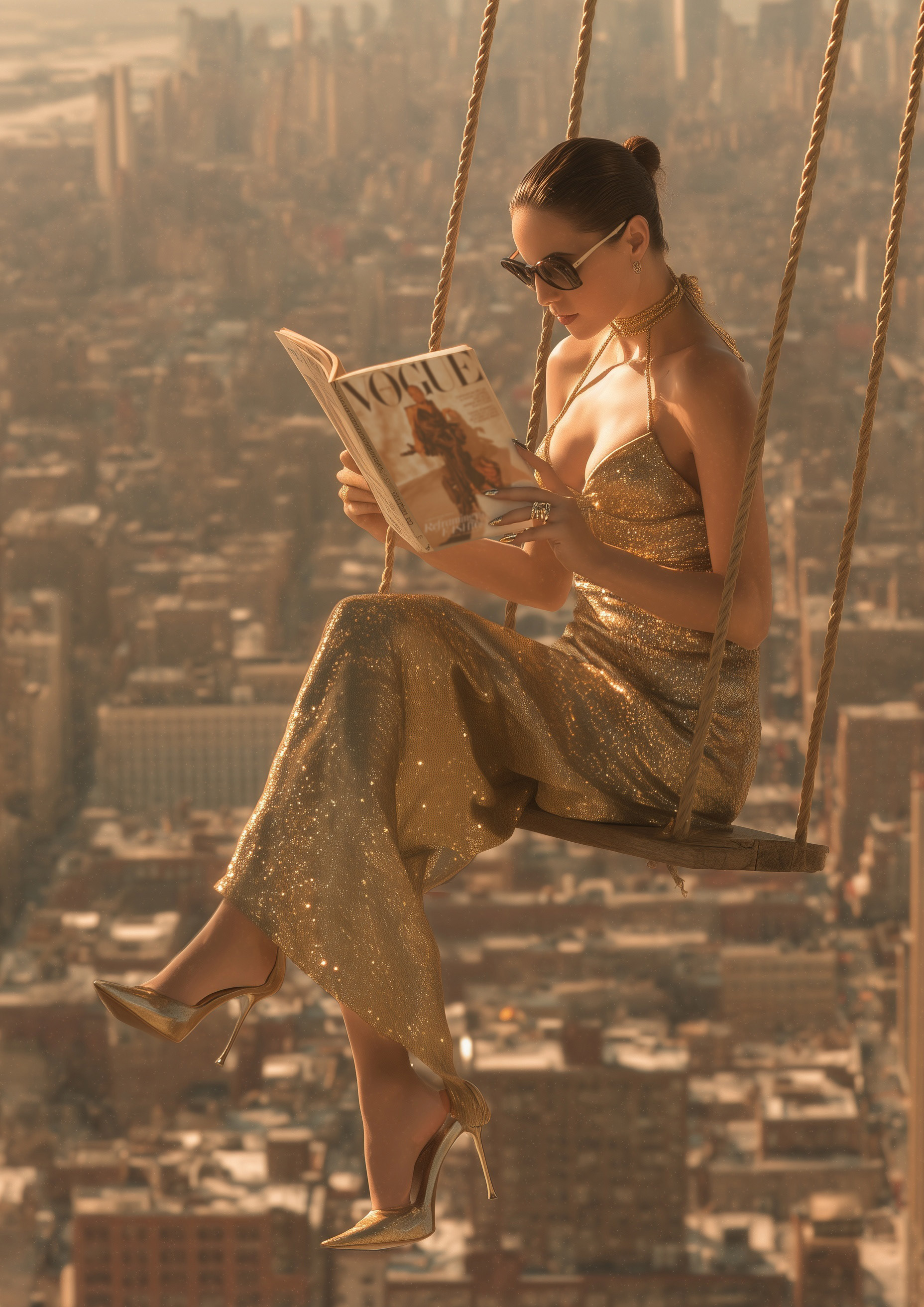
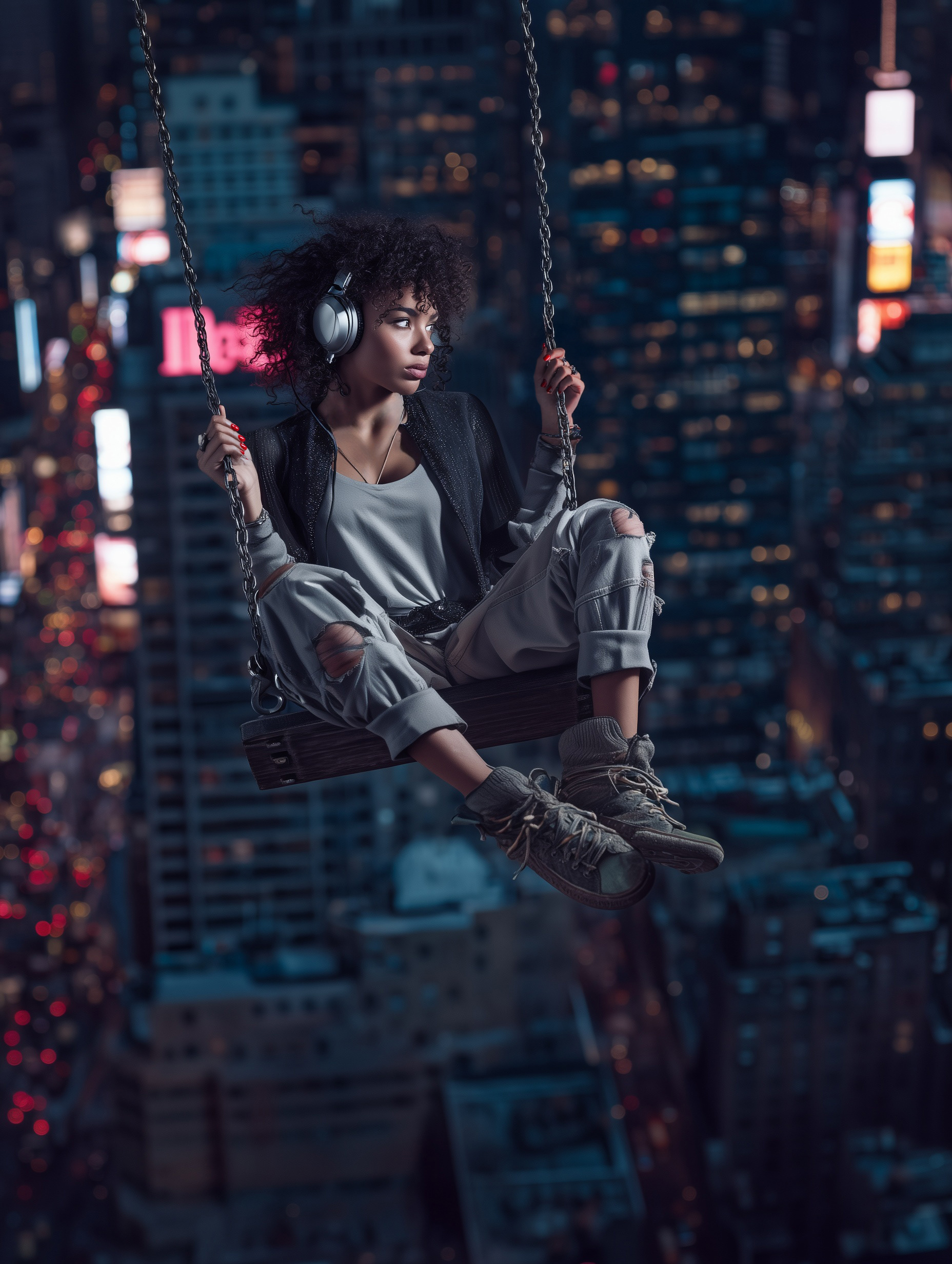
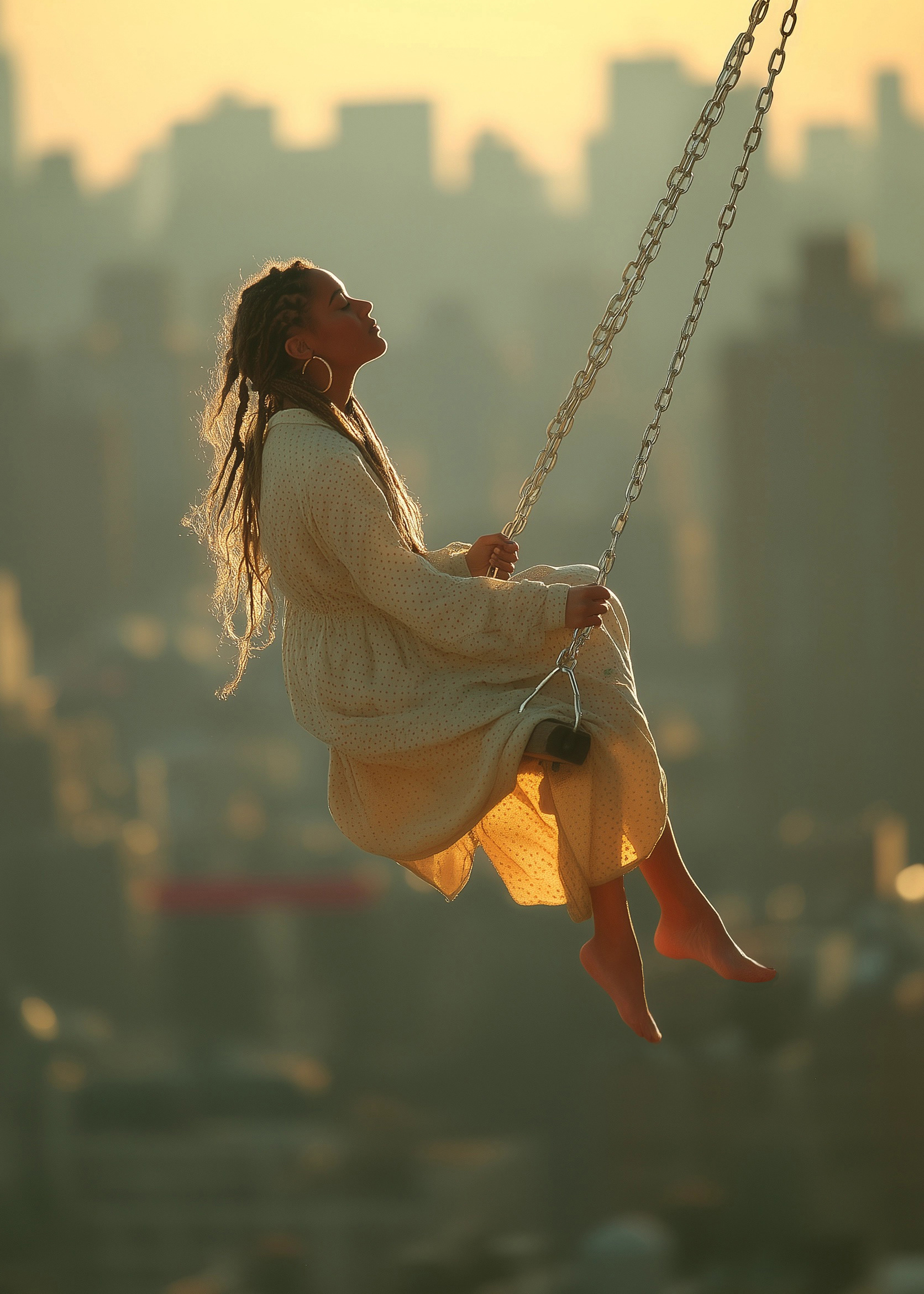
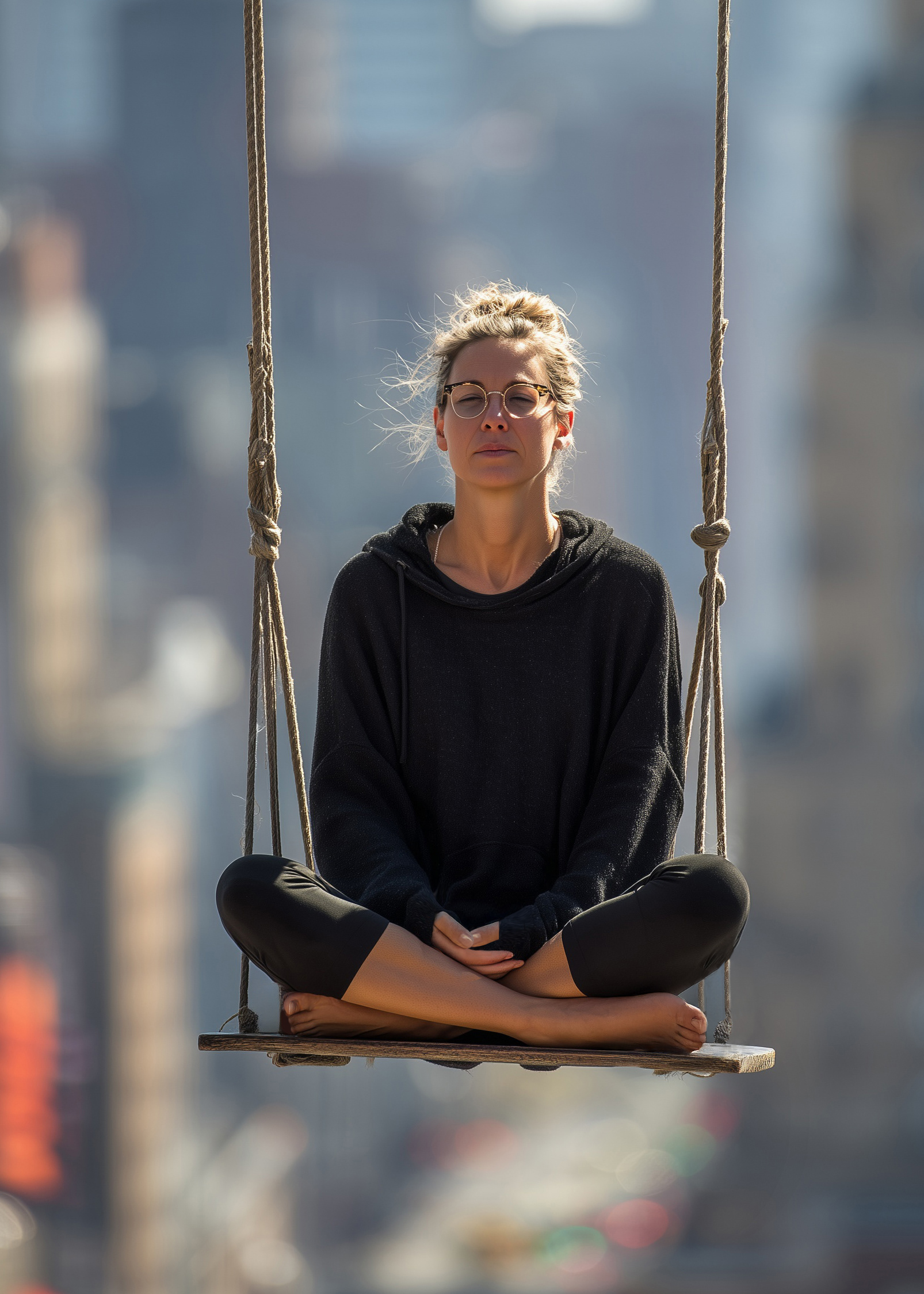
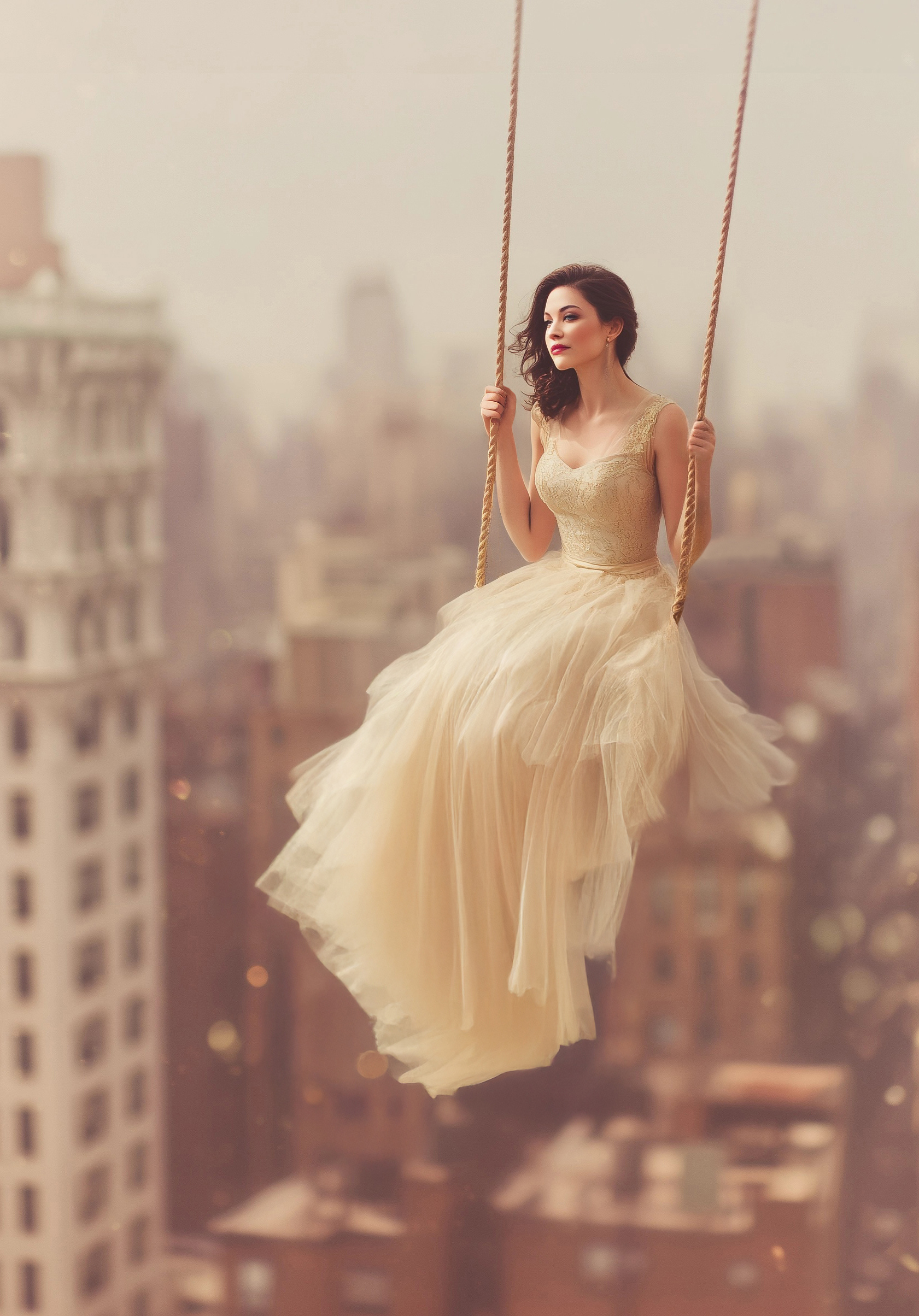
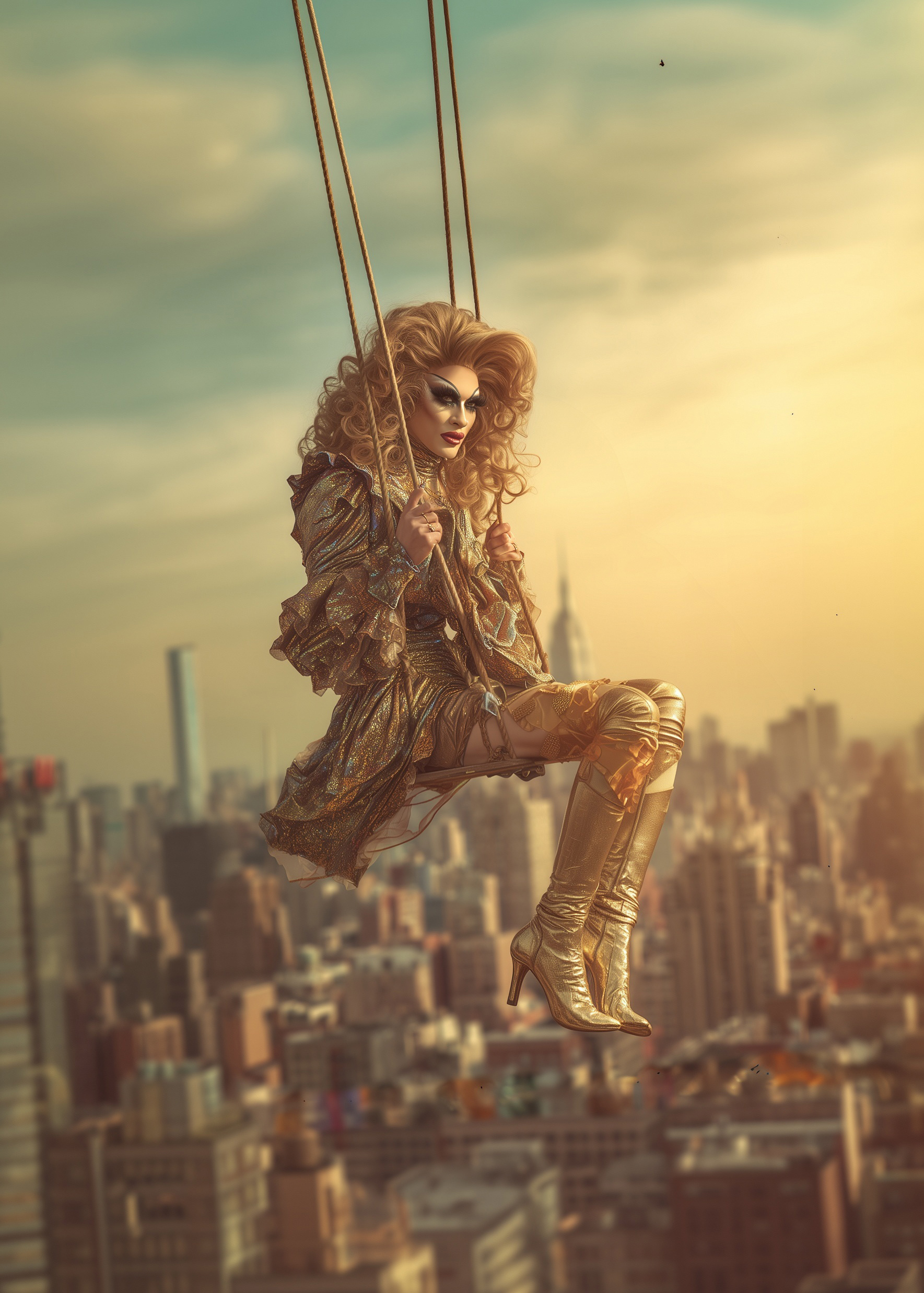
Over It looks down on the city without entering it. The figures are positioned above the noise, close enough to see its patterns but far enough to refuse its demands. This distance is not escape, but pause. The series treats withdrawal as a necessary interval, a moment to breathe, regain scale, and decide what deserves reentry. Over It frames disengagement as awareness rather than avoidance, a vantage that allows clarity before returning, or not.
The Last Riders
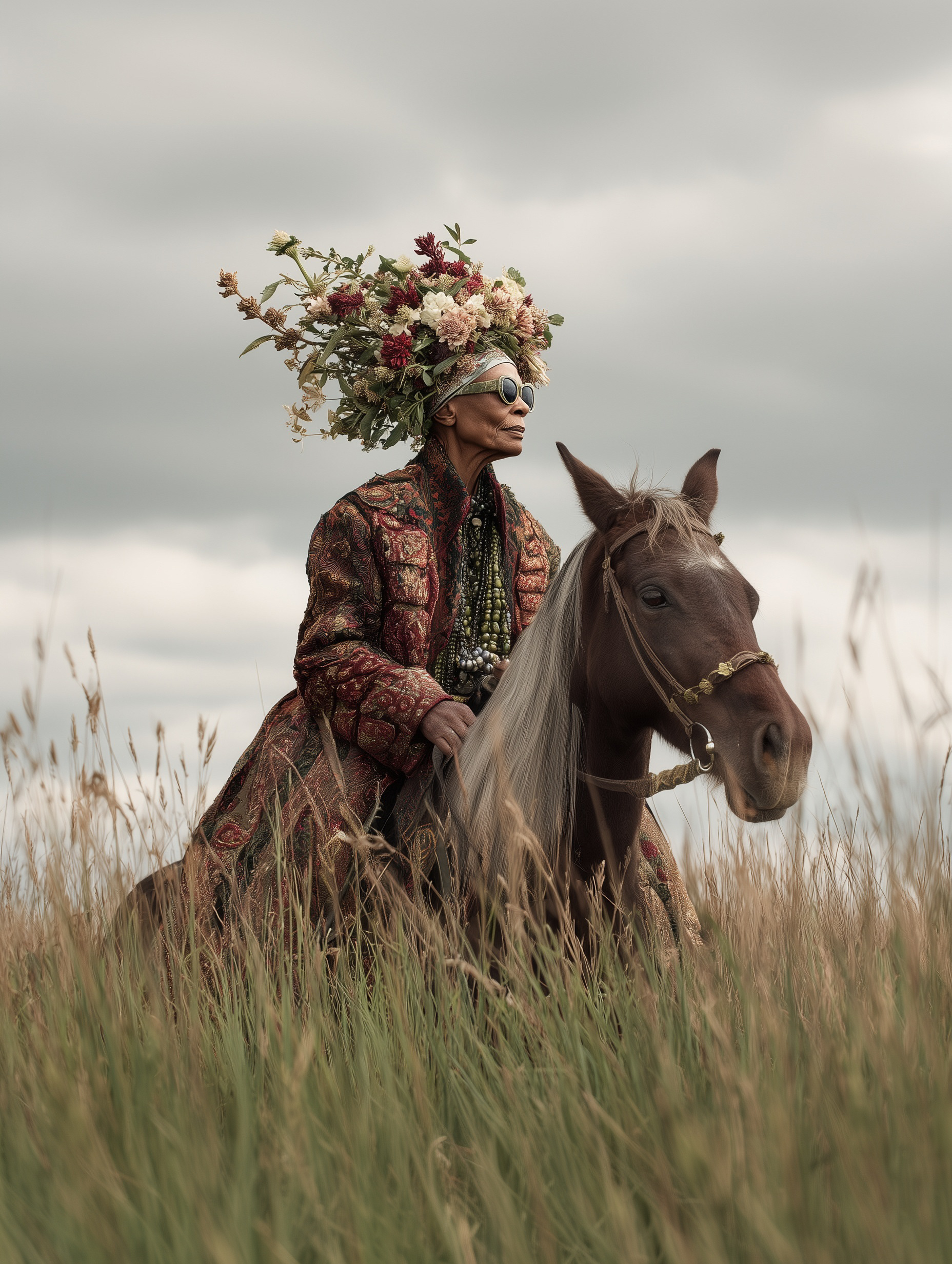
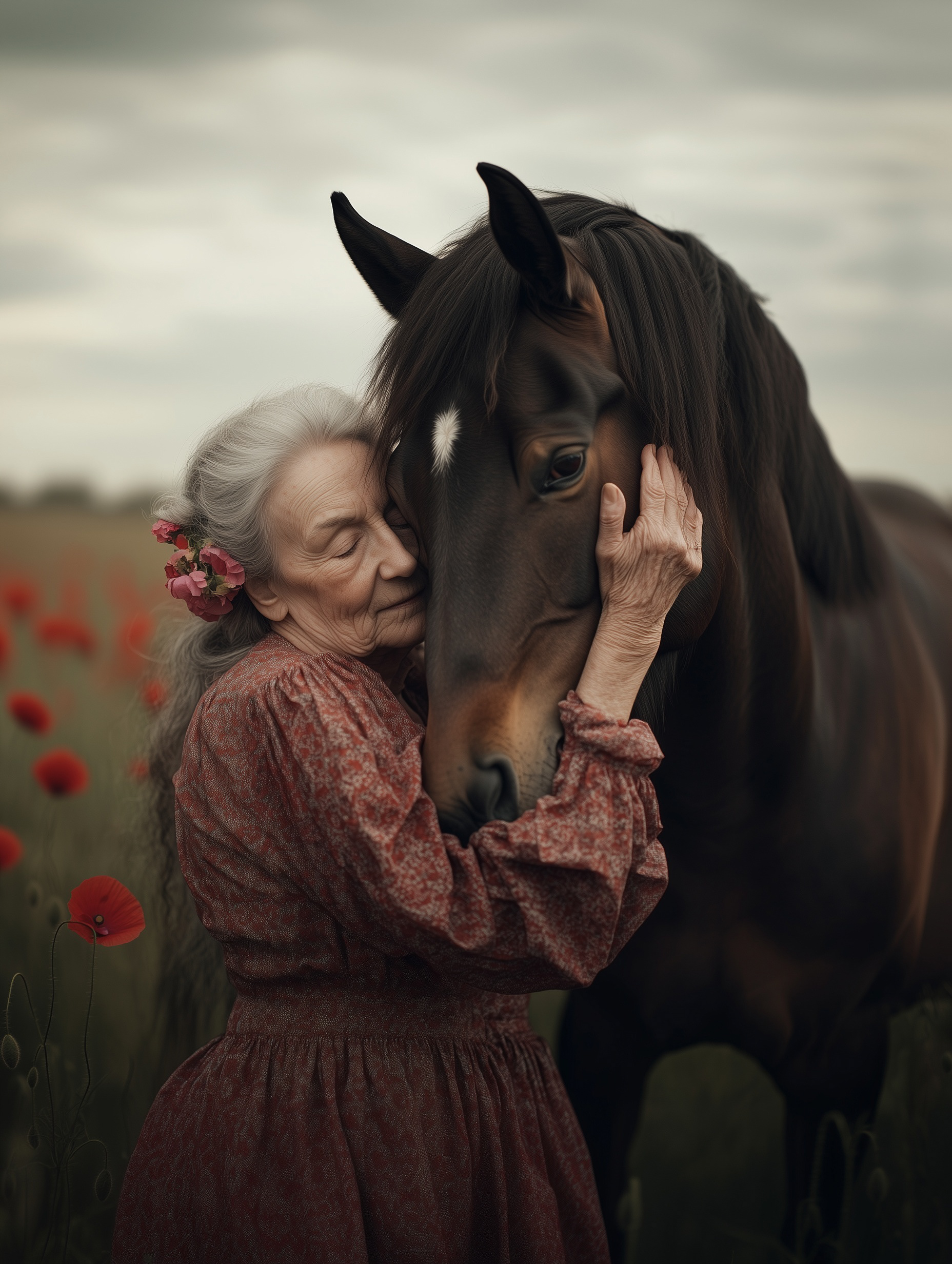
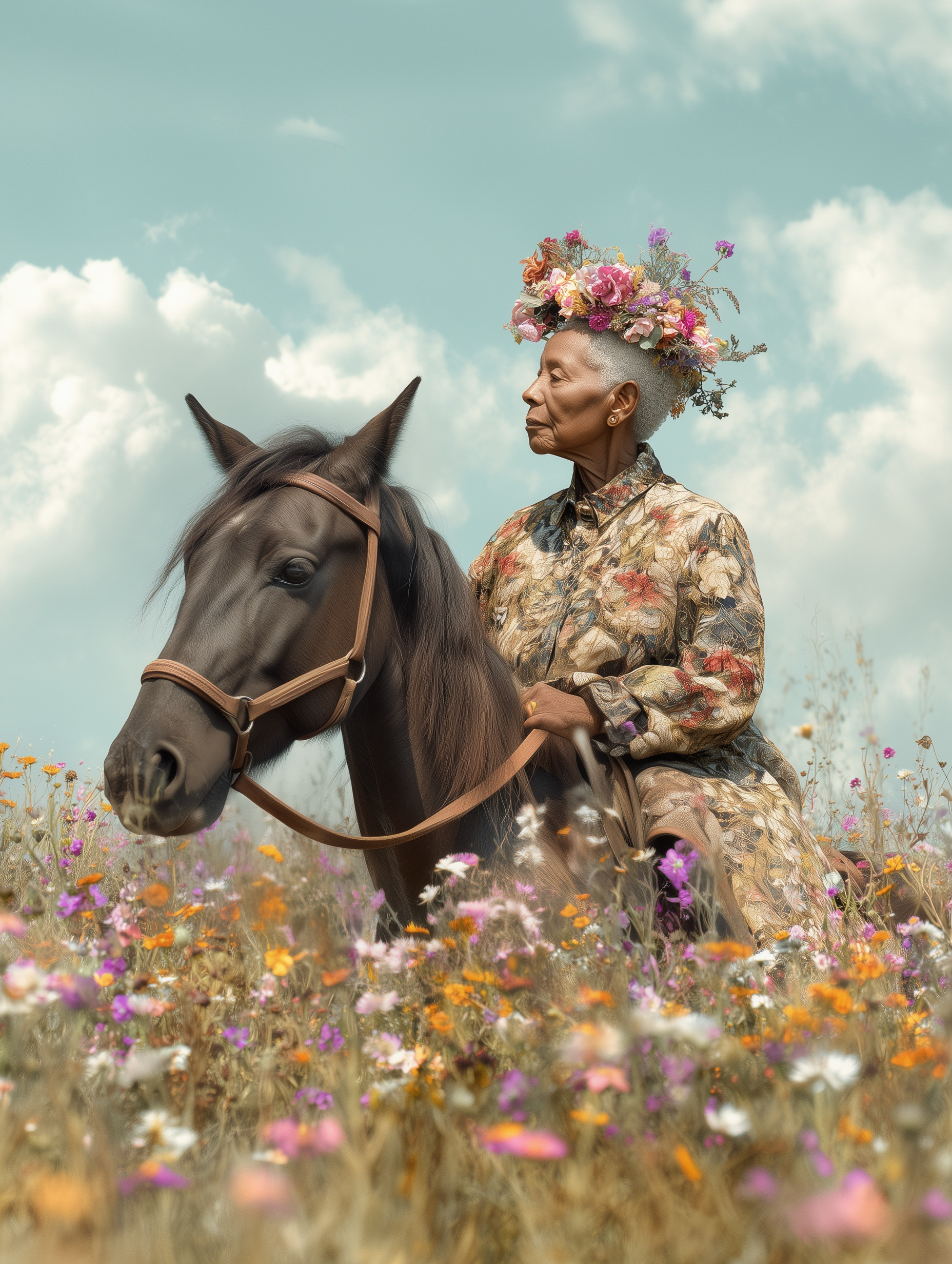
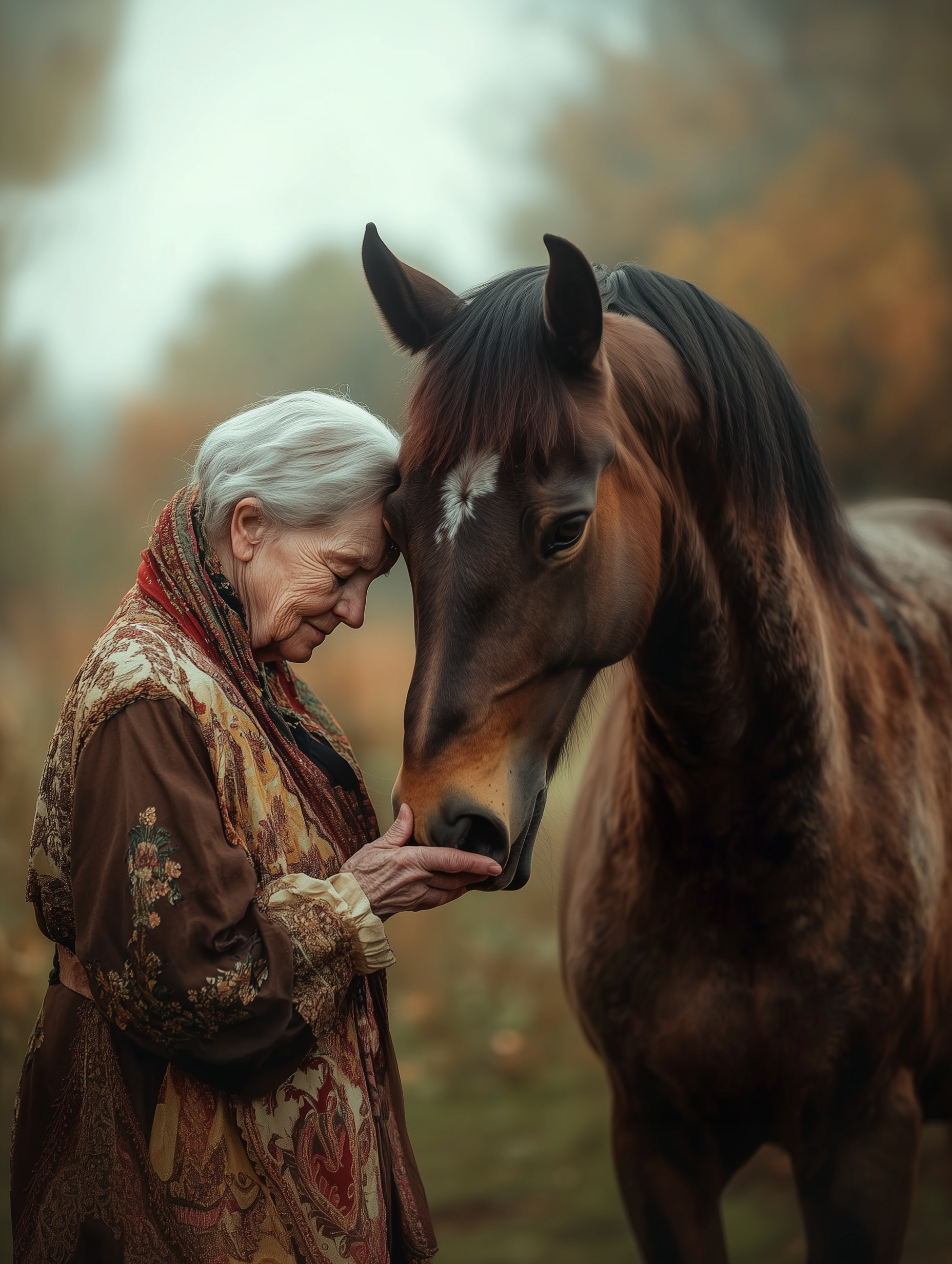
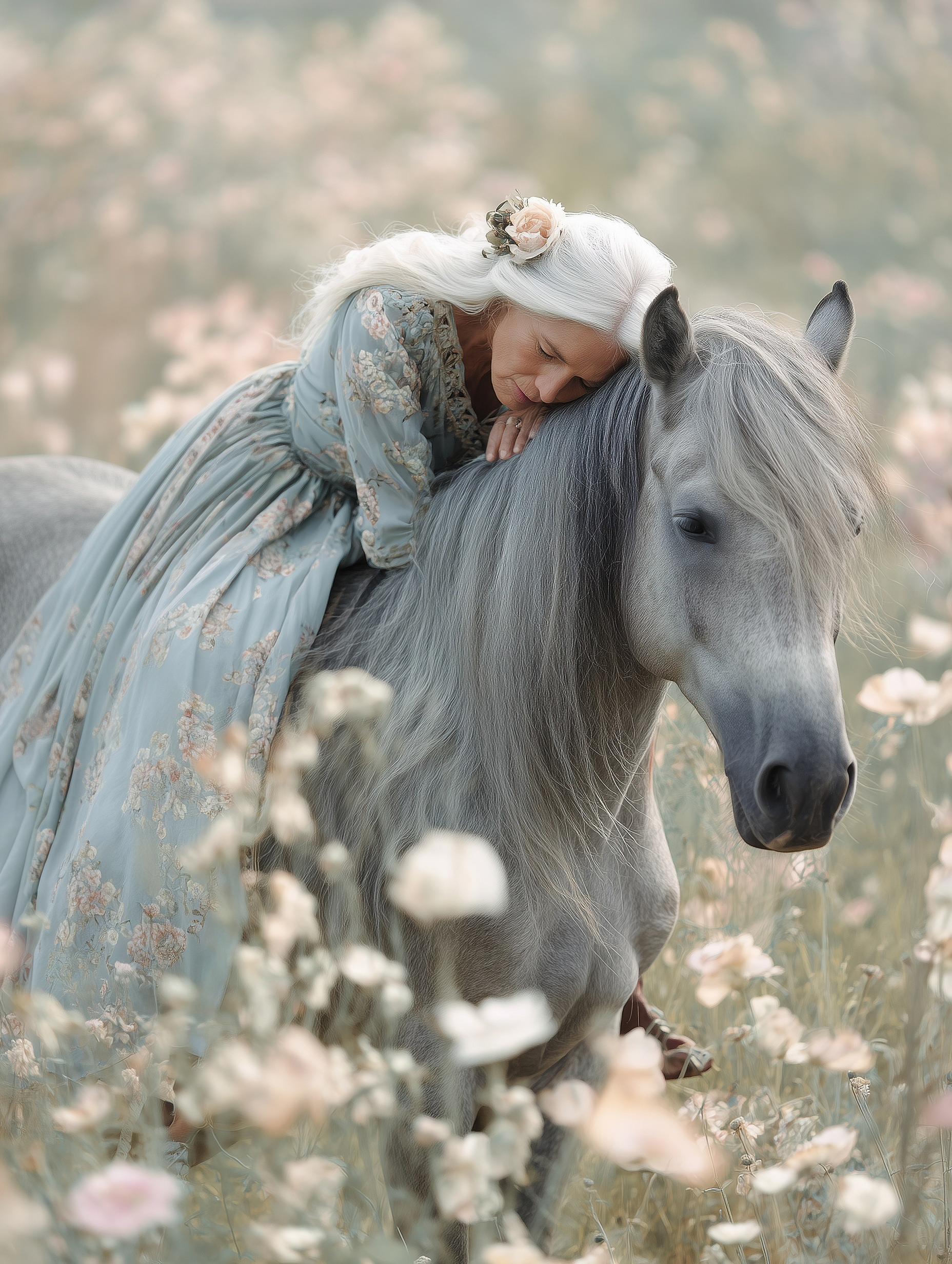
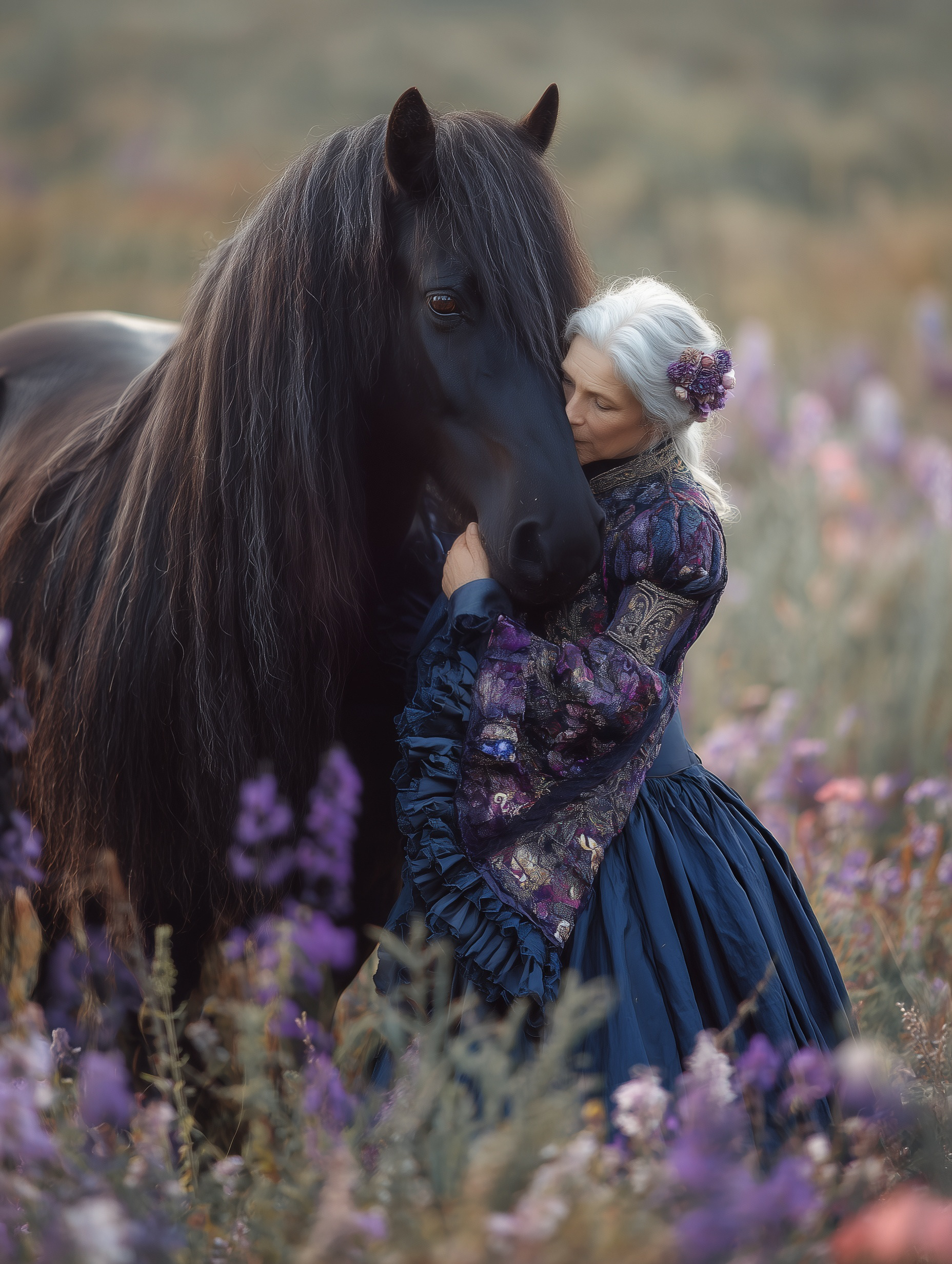
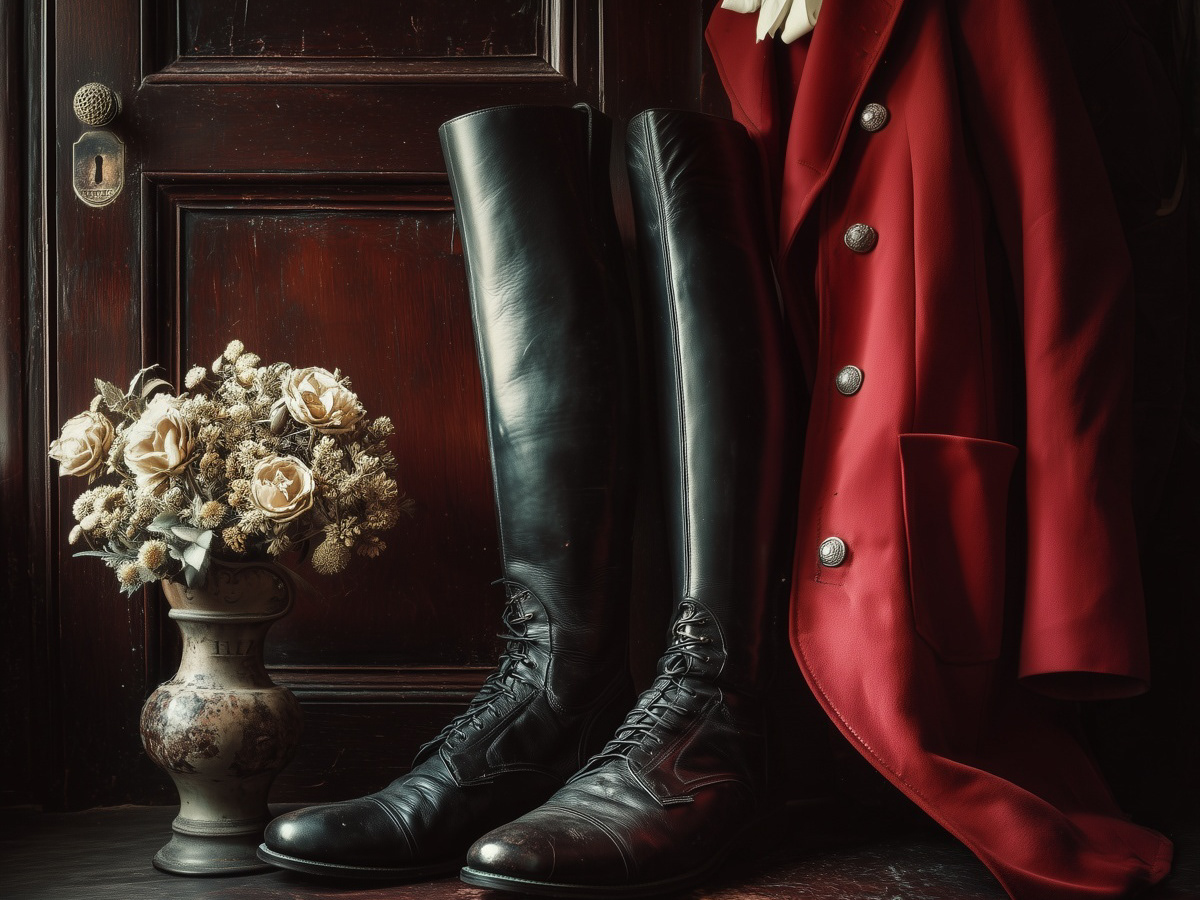
The Last Riders plays with what we assume about relevance, age, and who gets to remain visible. Through an equestrian lens, the series treats the bond between horse and human as competence and presence, not youth or agility. There is irony in the way the riders are styled and framed, but the work never turns them into a joke. The point is continuity. The bond between horse and rider does not age, and neither does the authority that comes from skill, attunement, and time in the stable. The series refuses the idea that anyone becomes irrelevant simply by becoming older.